2026 Mazda3: Small Packaging Updates Maintain Value for Burnaby Drivers
December 11 2025,
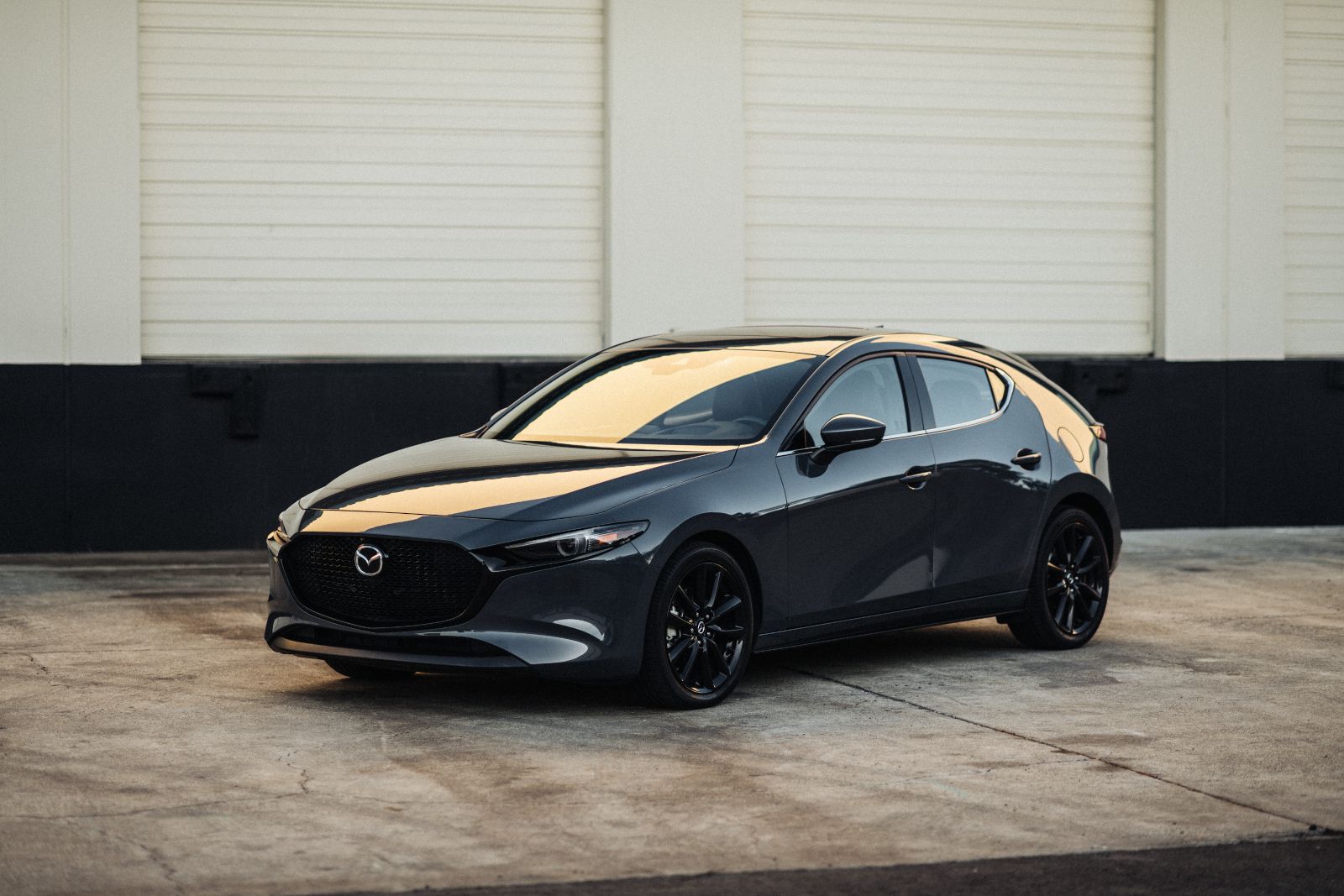
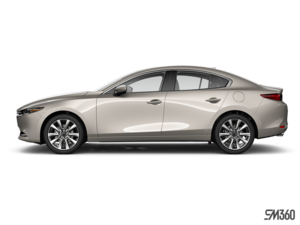
The 2026 Mazda3 receives small packaging updates focused on connectivity improvements and refined equipment distribution across trim levels. For Burnaby commuters navigating daily routes along Kingsway, the Trans-Canada Highway, or Lougheed Highway, these targeted changes enhance the Mazda3's existing strengths without altering its core appeal.
What's Changed for 2026
The 2026 Mazda3 retains the same Skyactiv-G 2.5 L four-cylinder engine (191 hp, 186 lb-ft), body design, dimensions, and fundamental mechanical components. The updates center on connectivity technology and equipment packaging rather than performance or styling revisions.
GS Trim Connectivity Upgrade: The most notable change appears on GS trim models, which now include Wireless Apple CarPlay and Wireless Android Auto as standard equipment alongside wireless phone charging (Qi). Previously, these features required the optional Luxury Package. The upgrade eliminates cable management during daily driving—phones connect automatically when entering the vehicle.
Simplified Equipment Distribution: Mazda adjusted which features come standard versus optional across trim levels. The changes appear designed to streamline the equipment lineup and reduce packaging complexity rather than add wholly new capabilities to the vehicle.
Carried Over from Previous Year: The full i-Activsense safety suite, 10.25-inch center display on GS and above, mechanical components, body structure, and available all-wheel drive remain unchanged. Buyers familiar with the Mazda3's established strengths will find those unchanged.
Trim Structure Remains Familiar
The 2026 Mazda3 continues with the same trim progression: GX, GS, GS with Luxury Package, GT, and GT Turbo. Both sedan and Mazda3 Sport hatchback body styles remain available across all trim levels.
GX (Entry Level): The GX maintains its position as the value-focused entry point with wired Apple CarPlay and Android Auto, 8.8-inch display, cloth seats, and comprehensive i-Activsense safety features. LED lighting, 16-inch wheels, and heated front seats remain standard. This trim provides the Mazda3 experience at the lowest price point.
GS (Mid-Level): GS models gain the wireless connectivity upgrade mentioned above, joining existing features like the 10.25-inch touchscreen display with touch functionality (when using smartphone integration), dual-zone automatic climate control, rain-sensing wipers, heated leather-wrapped steering wheel and shift knob, and 18-inch silver alloy wheels.
GS Luxury Package: The optional Luxury Package adds black leatherette seats, power moonroof, 10-way power driver's seat with lumbar support and memory, auto-dimming rearview mirror, Advanced Keyless Entry, and exterior mirrors with reverse tilt-down and memory function. When equipped with this package, both sedan and hatchback become available with i-Activ AWD.
GT (Premium): GT trim delivers Bose 12-speaker premium audio, SiriusXM satellite radio, 360° View Monitor with front and rear parking sensors, Cruising and Traffic Support, Traffic Sign Recognition, Smart Brake Support Rear and Rear Crossing, Active Driving Display, Adaptive Front-lighting System, front wiper de-icer, black leather seats, and frameless auto-dimming mirror with HomeLink. The Mazda3 Sport GT continues offering a six-speed manual transmission as the only manual option in the lineup.
GT Turbo (Performance): The GT Turbo amplifies performance with the Skyactiv-G 2.5 Turbo engine producing 250 hp and 320 lb-ft of torque on premium fuel (227 hp and 310 lb-ft on regular fuel). Turbo models include standard i-Activ AWD, 18-inch black alloy wheels, Jet Black mirrors, larger dual exhaust outlets, and distinctive Turbo badging.
Connectivity in Daily Practice
The wireless connectivity enhancement on GS trim addresses a practical convenience issue. Wired connections require locating the cable, plugging in the phone, placing it somewhere secure, and reversing the process when exiting. Daily commuters perform this sequence twice per workday—potentially 500+ times annually.
Wireless operation eliminates these steps. Enter the vehicle, start the engine, and the phone connects automatically. Apple CarPlay or Android Auto displays on the center screen without physical interaction. Exit the vehicle and the phone remains in a pocket or bag.
For Burnaby drivers making frequent short trips—grocery runs, dropping children at school, commuting to Metrotown for work—this seemingly minor change accumulates convenience over thousands of trips. The wireless phone charging pad on the GS trim also maintains battery charge during these shorter journeys without cable management.
What Hasn't Changed

The 2026 Mazda3's fundamental appeal remains intact. The Skyactiv-G 2.5 L engine continues delivering 191 hp and 186 lb-ft of torque with cylinder deactivation technology for improved fuel efficiency during light-load driving. The engine pairs with either a six-speed automatic transmission (with manual mode) or a six-speed manual (Mazda3 Sport GT only).
G-Vectoring Control Plus remains standard, making subtle engine torque adjustments during cornering to shift weight forward and improve front tire grip. This chassis control technology enhances handling feel without requiring driver input.
The i-Activsense safety suite carries over unchanged: Mazda Radar Cruise Control with Stop & Go, Smart Brake Support Front, Lane Departure Warning, Lane-Keep Assist, Driver Attention Alert, High Beam Control, Blind Spot Monitoring, and Rear Cross-Traffic Alert all remain standard across every trim level.
The Mazda3's structure, suspension tuning, steering calibration, brake specifications, and driving dynamics remain identical to the previous model year. Buyers seeking the Mazda3's driver-focused character will find it unchanged.
Body Style Considerations
The sedan and Mazda3 Sport hatchback continue offering distinct advantages for different buyer priorities.
The sedan provides a traditional three-box profile with a separate trunk. The trunk opening measures smaller than the hatchback's cargo opening but provides security—cargo sits behind the rear seatback, invisible from outside. The formal sedan profile appeals to buyers preferring traditional passenger car styling.
The Mazda3 Sport hatchback delivers increased cargo versatility through its liftgate and fold-down rear seats. Larger items load more easily through the wider hatchback opening. The rear seats fold to create a flat load floor extending from the liftgate to behind the front seats. This flexibility suits buyers who regularly transport larger cargo, sports equipment, or make frequent warehouse store runs.
Both body styles share identical mechanical components, wheelbase, interior width, front and rear legroom, and passenger accommodations. The choice centers on cargo preferences and styling tastes rather than driving characteristics.
All-Wheel Drive Availability
i-Activ AWD remains optional on GS trim (when equipped with Luxury Package) and GT trim, and comes standard on GT Turbo. The system uses predictive logic to adjust torque distribution between front and rear wheels before traction loss occurs.
For British Columbia driving, i-Activ AWD provides confidence during winter conditions on North Shore mountain roads, improved traction on wet pavement during prolonged rain periods, and stability when encountering unexpected road surface changes. The system operates automatically without requiring driver mode selection.
Front-wheel drive remains standard on GX, GS, and GT trims. For Burnaby drivers who primarily navigate maintained city streets and highways, front-wheel drive provides adequate traction during typical conditions. AWD capability matters most for drivers who frequently encounter challenging weather or travel to mountain areas during winter.
Value Proposition
The 2026 Mazda3 maintains its position among the remaining traditional passenger cars as competitors continue shifting production toward SUVs and crossovers. The sedan and hatchback body styles provide car-like handling dynamics, lower step-in height, better fuel economy than similarly-priced crossovers, and a premium interior at a compact car price point.
The GS trim's wireless connectivity upgrade removes a minor daily frustration without requiring buyers to step up to the Luxury Package. This adjustment improves the GS value equation—buyers gain convenience without additional cost.
For Metro Vancouver buyers comparing compact sedans and hatchbacks, the Mazda3 continues offering a driver-focused alternative to competitors prioritizing transportation appliance characteristics over driving engagement.
Arriving This Winter
The 2026 Mazda3 sedan and Mazda3 Sport hatchback arrive at Metrotown Mazda this winter. Buyers interested in the updated GS connectivity features or evaluating trim levels can explore both body styles at our Burnaby location to determine which configuration matches their driving priorities in British Columbia.