The 2026 CX-5's Google Built-In System: What Burnaby Drivers Need to Know
December 02 2025,
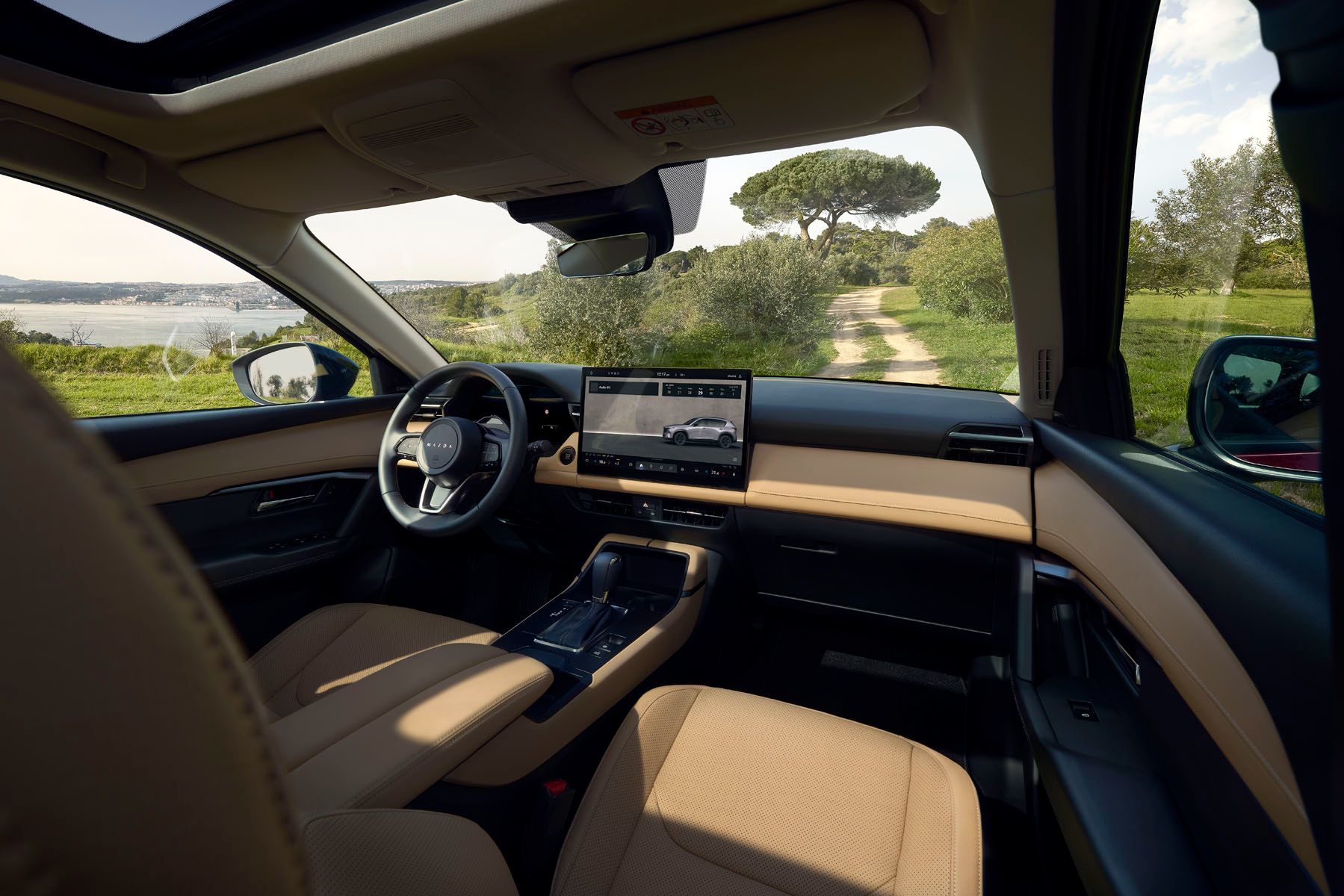
The all-new 2026 Mazda CX-5 debuts Mazda's largest touchscreen featuring Google built-in integration, replacing the brand's proprietary infotainment system. For tech-forward Burnaby buyers accustomed to smartphone ecosystems, this system eliminates the learning curve of traditional automaker interfaces. Arriving in Spring 2026, the redesigned CX-5 introduces cloud-connected features that change how drivers interact with navigation, entertainment, and vehicle controls.
This marks a major shift in Mazda's technology strategy. The integration brings Google services directly onto the vehicle's screen rather than requiring smartphone mirroring as the primary interface.
Google Built-In vs. Android Auto: Understanding the Difference
Google built-in differs fundamentally from Android Auto, though both involve Google services. Android Auto mirrors a smartphone's interface onto the vehicle screen, requiring an active phone connection to function. Google built-in runs natively on the vehicle's own hardware, operating independently from a smartphone once initial setup completes.
The 2026 CX-5 includes both systems. Drivers can choose Google built-in for the native experience or connect via Apple CarPlay or Android Auto for smartphone mirroring. This flexibility accommodates different preferences—some drivers prefer the integrated approach, while others want their phone's exact interface regardless of which vehicle they operate.
Google built-in provides access to Google Maps, Google Assistant voice control, and the Google Play Store directly through the vehicle's infotainment system. Updates arrive over-the-air without requiring dealership visits or manual software installations. The system receives the same map updates, app improvements, and feature additions that Google deploys to its other platforms.
Display Sizes and Interface Design
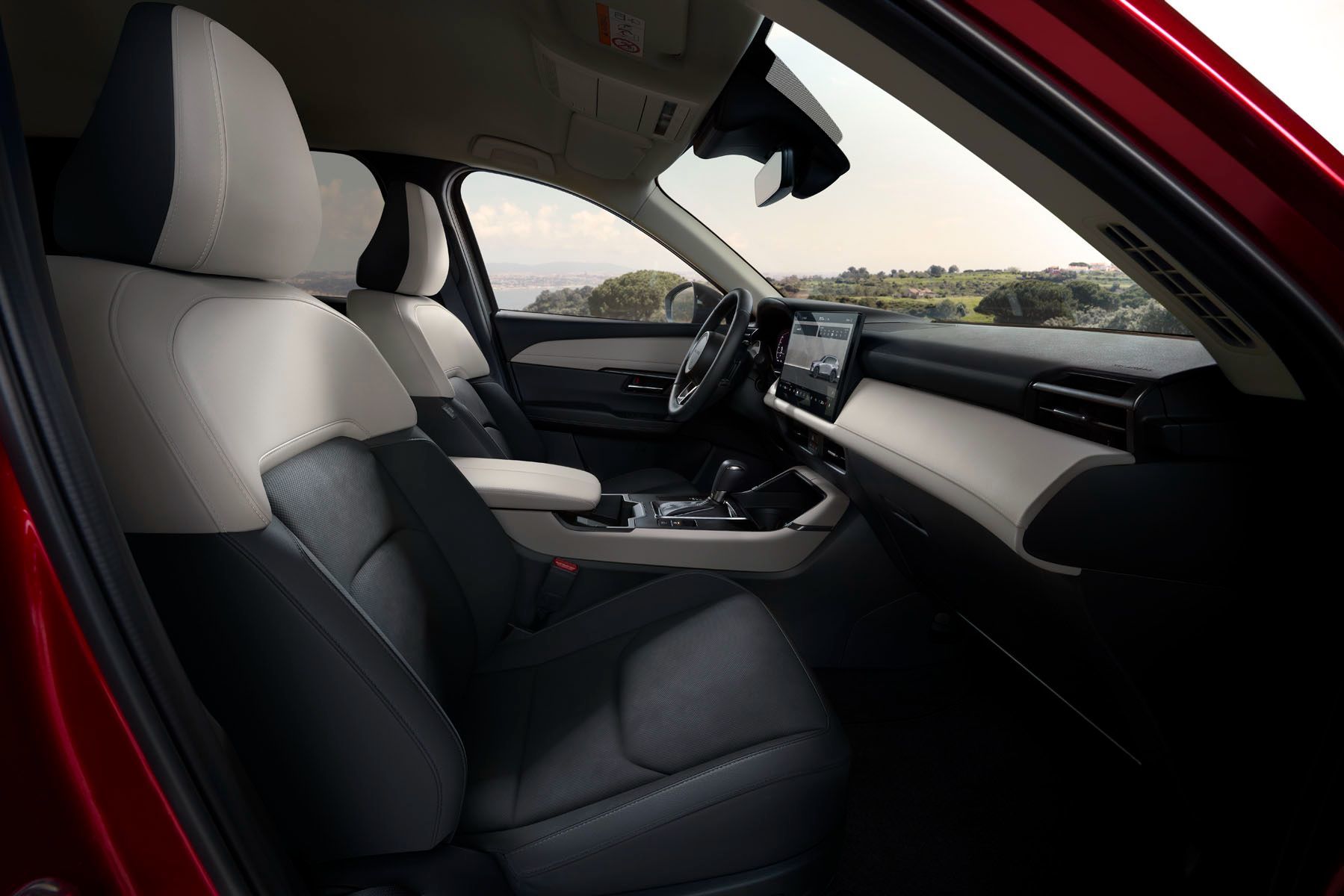
The 2026 CX-5 offers two touchscreen sizes depending on trim level. The standard configuration features a 12.9-inch display, while upper trims receive Mazda's largest-ever 15.6-inch screen. Both sizes integrate Google built-in with an interface designed specifically for automotive use.
Common functions like HVAC and volume controls remain docked at the bottom of the screen for quick access. This persistent control bar eliminates the need to navigate through multiple menus to adjust basic vehicle settings. Temperature changes, fan speed, and audio volume stay immediately accessible regardless of which app or screen currently displays.
The larger 15.6-inch option provides additional screen real estate for split-screen functionality and easier map readability during navigation. For British Columbia drivers frequently using turn-by-turn directions through Metro Vancouver or on highway trips to the Interior, the expanded display size reduces the need to zoom in and out while reviewing routes.
Both screen sizes support touchscreen input, a departure from Mazda's previous commander-knob-only approach. The 2026 CX-5 retains physical controls on the steering wheel, allowing drivers to access functions without reaching toward the centre console. This multi-input approach accommodates different user preferences and driving situations.
Google Maps Integration
Google Maps runs directly on the CX-5's infotainment hardware with full access to Google's routing database and real-time traffic information. The system displays current traffic conditions across Metro Vancouver, alerts drivers to accidents or construction affecting their route, and automatically suggests alternate paths when delays occur.
Live traffic data pulls from Google's aggregated user information, providing more comprehensive coverage than systems relying solely on radio-based traffic reports. During peak commute hours on Highway 1 or the Trans-Canada Highway, the system can reroute around congestion before drivers encounter stopped traffic.
The integration includes Google's Points of Interest database, containing business listings, hours of operation, contact information, and user reviews. Search for "coffee" near your current location, and the system displays nearby cafés with ratings and estimated drive times. This eliminates the need to pull out a smartphone to research stops during trips.
Voice-activated navigation allows drivers to speak destination addresses or business names naturally without memorizing command structures. "Navigate to Metrotown" or "Find gas stations on the way" initiates routing without manual input. For longer trips to Whistler, the Okanagan, or across the border, drivers can queue multiple stops and optimize the route automatically.
Google Assistant Voice Control
Google Assistant provides voice-activated control over navigation, media playback, climate settings, and compatible smart home devices. Drivers can speak naturally to the system without using rigid command phrases.
Ask complex questions like "What's the weather in Kelowna this weekend?" or "Find sushi restaurants open now," and the Assistant processes natural language to deliver relevant results. Follow-up questions maintain context—after searching for restaurants, saying "Show me the closest one" refines the search without repeating the entire query.
Voice control extends to vehicle functions. "Set temperature to 22 degrees" or "Turn on heated seats" adjusts cabin comfort without manual button presses. Media requests like "Play my driving playlist" or "Skip this song" control audio playback hands-free.
The upcoming Gemini AI integration will further enhance these capabilities. While the exact timing remains unannounced, Gemini is described as allowing owners to ask complex questions and steer conversations with follow-ups without memorizing commands. This evolution builds on the current Assistant foundation with more advanced natural language processing.
Google Play Store Access
The Google Play Store integration allows downloading automotive-compatible apps directly to the CX-5's infotainment system. Mazda curates which apps function properly in vehicles, preventing incompatible or distracting applications from installation.
Streaming services for music, podcasts, and audiobooks install directly onto the vehicle system. This means accessing Spotify, YouTube Music, or other services without requiring a smartphone connection or using phone data. The vehicle's built-in connectivity handles streaming when parked or driving.
News apps, parking apps, and other automotive-specific tools expand functionality beyond the base system. As developers release new apps optimized for cars with Google built-in, CX-5 owners can add capabilities over time rather than living with a frozen feature set from the purchase date.
Mazda can also deploy branded apps and third-party features through future updates. Service appointment scheduling, vehicle health monitoring, or British Columbia-specific tools could arrive through app updates rather than requiring hardware changes.
Over-the-Air Updates
The 2026 CX-5's Google built-in system receives over-the-air software updates automatically. Map data, app improvements, security patches, and new features download when the vehicle connects to Wi-Fi or uses its built-in cellular connection.
This contrasts with previous Mazda infotainment systems that required manual SD card updates or dealership installations for map refreshes. British Columbia's road network evolves—new developments in Burnaby, highway expansions, or changed traffic patterns—and the system stays current without owner intervention.
Google's update cadence means the CX-5 receives the same improvements as other Google built-in vehicles and Android devices. When Google enhances Assistant capabilities or Maps features across its ecosystem, the CX-5 benefits simultaneously.
Smartphone Compatibility Retained
Despite Google built-in's comprehensive capabilities, the 2026 CX-5 maintains standard Apple CarPlay and Android Auto compatibility. Drivers who prefer their phone's interface or have extensive app ecosystems on their devices can continue using mirroring as their primary interaction method.
This dual approach acknowledges that not every driver wants to adopt a new system. iPhone users accustomed to Apple's interface, message handling, and app ecosystem can connect via wireless CarPlay without learning Google's platform. Android users who prefer their phone's specific configuration can mirror rather than using the built-in system.
The flexibility matters for households with multiple drivers using different phone platforms or for buyers who frequently switch between vehicles and want consistent interfaces across different brands.
Privacy and Data Considerations
Google built-in requires a Google account for full functionality. The system associates vehicle usage data with that account to provide personalized features like saved destinations, preferred routes, and customized recommendations.
Privacy settings allow controlling what data Google collects and how it's used. Drivers can review and adjust these settings through the vehicle's interface or their Google account management tools. Location history, for example, can be enabled for better traffic predictions or disabled if privacy concerns outweigh convenience benefits.
The built-in system operates separately from Android Auto—using Google built-in doesn't require an Android phone, only a Google account. iPhone users can create Google accounts specifically for vehicle use while maintaining Apple devices for personal communications.
Comparing to the Outgoing System
The current CX-5 uses Mazda Connect, a proprietary infotainment system controlled primarily through a centre console commander knob. While functional, Mazda Connect has limitations: map updates require SD card purchases or dealership installations, app selection is restricted to Mazda's approved list, and voice control operates through separate systems for phone and navigation functions.
Google built-in eliminates these constraints. The cloud-connected architecture means continuous updates rather than static software. The app ecosystem expands beyond Mazda's original launch selection. Voice control consolidates under Google Assistant for consistent interaction across all functions.
The interface change represents the most visible difference. Mazda Connect's menu-driven structure gives way to Google's card-based layout and touchscreen-first design. Drivers familiar with Android phones or Google services will find the transition intuitive. Those accustomed to Mazda's traditional system will face a learning period.
Physical controls remain through steering wheel buttons and the persistent bottom-screen control bar, providing familiar touchpoints even as the primary interface evolves.
Expected Launch Timeline
The all-new 2026 Mazda CX-5 is scheduled to arrive in Spring 2026. Burnaby buyers interested in the Google built-in system should expect availability in the April-June timeframe based on typical model year launches.
Trim-level specifications and pricing have not been announced, so it remains unclear whether Google built-in is standard across all configurations or reserved for specific trim levels. The mention of both 12.9-inch and 15.6-inch screen sizes suggests at least two equipment tiers, with the larger display likely appearing on higher trims.
Experience It at Metrotown Mazda
The 2026 Mazda CX-5 with Google built-in will be available at Metrotown Mazda in Burnaby when deliveries begin in Spring 2026. Our team can demonstrate the system's capabilities and answer questions about how Google integration changes the ownership experience compared to current Mazda infotainment systems.