Understanding the CX-70's Remote-Folding Rear Seats and Sub-Trunk Storage Solutions
December 09 2025,
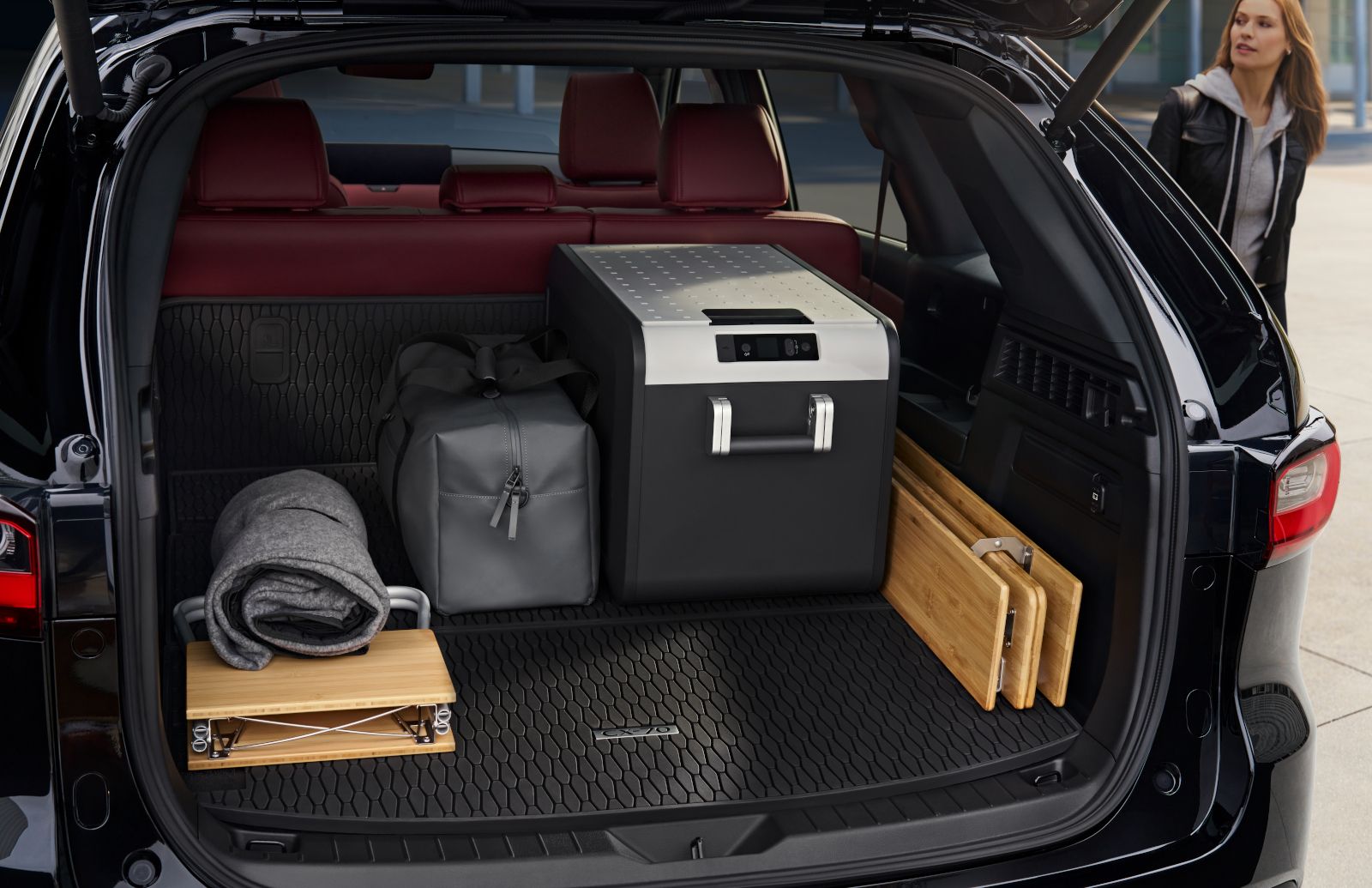
The 2025 Mazda CX-70 introduces remote-folding rear seats operated via buttons in the cargo area, eliminating the need to climb into the cabin to reconfigure seating. Combined with the unique sub-trunk design featuring hidden storage compartments and organizational hooks, these features directly address cargo management challenges British Columbia drivers face during daily use and recreational activities.
For Burnaby residents hauling camping gear for trips to provincial parks, transporting sporting equipment to recreational facilities, or managing weekly grocery runs, these utility innovations simplify loading while providing secure storage for valuables. The CX-70's cargo engineering reflects practical thinking about how drivers actually use two-row crossovers in Metro Vancouver and beyond.
Remote-Folding Rear Seats: How the System Works
The remote-folding feature operates through buttons located in the cargo area itself. Stand at the open liftgate, press the corresponding button, and the 60/40-split rear seatbacks fold forward automatically without requiring you to open the rear doors or reach into the cabin.
This automation addresses a specific frustration: loading large items while the vehicle sits in a parking lot or driveway. The traditional process requires opening the rear door, reaching for manual release levers, folding each section, closing the doors, then returning to the rear to load cargo. The remote system consolidates these steps into a single button press from the loading position.
The rear seats already include reclining and sliding functions for passenger comfort. The remote-folding capability adds convenience specifically during cargo operations. The seats power forward smoothly, creating a flat load floor that extends from the liftgate to behind the front seats.
Cargo Volume and Configuration
The CX-70 provides 1,131 L of cargo space behind the second-row seats when upright. With both sections folded, capacity expands to 2,147 L behind the front seats (vehicles without panoramic moonroof; 2,132 L with panoramic roof).
These measurements place the CX-70 among the more spacious two-row crossovers available. The flat load floor after folding the seats eliminates awkward angles or gaps that complicate loading longer items. British Columbia drivers transporting skis, fishing rods, lumber from hardware stores, or furniture pieces benefit from this uninterrupted cargo bay.
The wide liftgate opening and low load height reduce lifting effort when moving heavy items. Costco runs, moving boxes, or loading camping equipment becomes less physically demanding compared to vehicles with higher cargo floors or narrower openings.
Sub-Trunk Design and Hidden Compartments
Beneath the main cargo floor, the CX-70 features a sub-trunk system with multiple compartments. Lift the cargo floor panel to reveal these storage areas designed for items you want to keep out of sight or separate from regular cargo.
Emergency equipment, jumper cables, first aid kits, and tire repair supplies fit naturally in these compartments. For daily use, they provide secure storage for valuables when parking in public areas—laptop bags, electronics, or shopping bags can be concealed beneath the floor rather than left visible through the rear window.
The compartments include organizational features that prevent items from shifting during driving. Smaller items that typically roll around the cargo area stay contained. Recovery straps, tool kits, or seasonal equipment remain accessible but organized.
The sub-trunk design also accommodates the CX-70's towing accessories when equipped with Mazda Genuine Towing Accessories for the 5,000 lb maximum capacity (MHEV models) or 3,500 lb capacity (PHEV models). Hitch balls, wiring harnesses, and trailer equipment store securely without occupying main cargo space.
Cargo Area Hooks and Tie-Downs
The cargo area includes multiple hooks positioned strategically for securing bags and equipment. Grocery bags can be hooked to prevent tipping during driving—particularly useful when navigating Burnaby's hills or making quick stops that would otherwise send items sliding.
These hooks work equally well for securing sporting equipment, camping gear, or any cargo that benefits from restraint. Bungee cords or cargo nets attach easily to keep loads stable during highway driving or when traveling on rough forest service roads accessing British Columbia's recreational areas.
The hook placement considers real-world loading patterns. They position high enough to secure bags but low enough to remain accessible without excessive reaching. This thoughtful positioning makes them actually usable rather than just present for spec sheet purposes.
Practical Applications for British Columbia Lifestyles
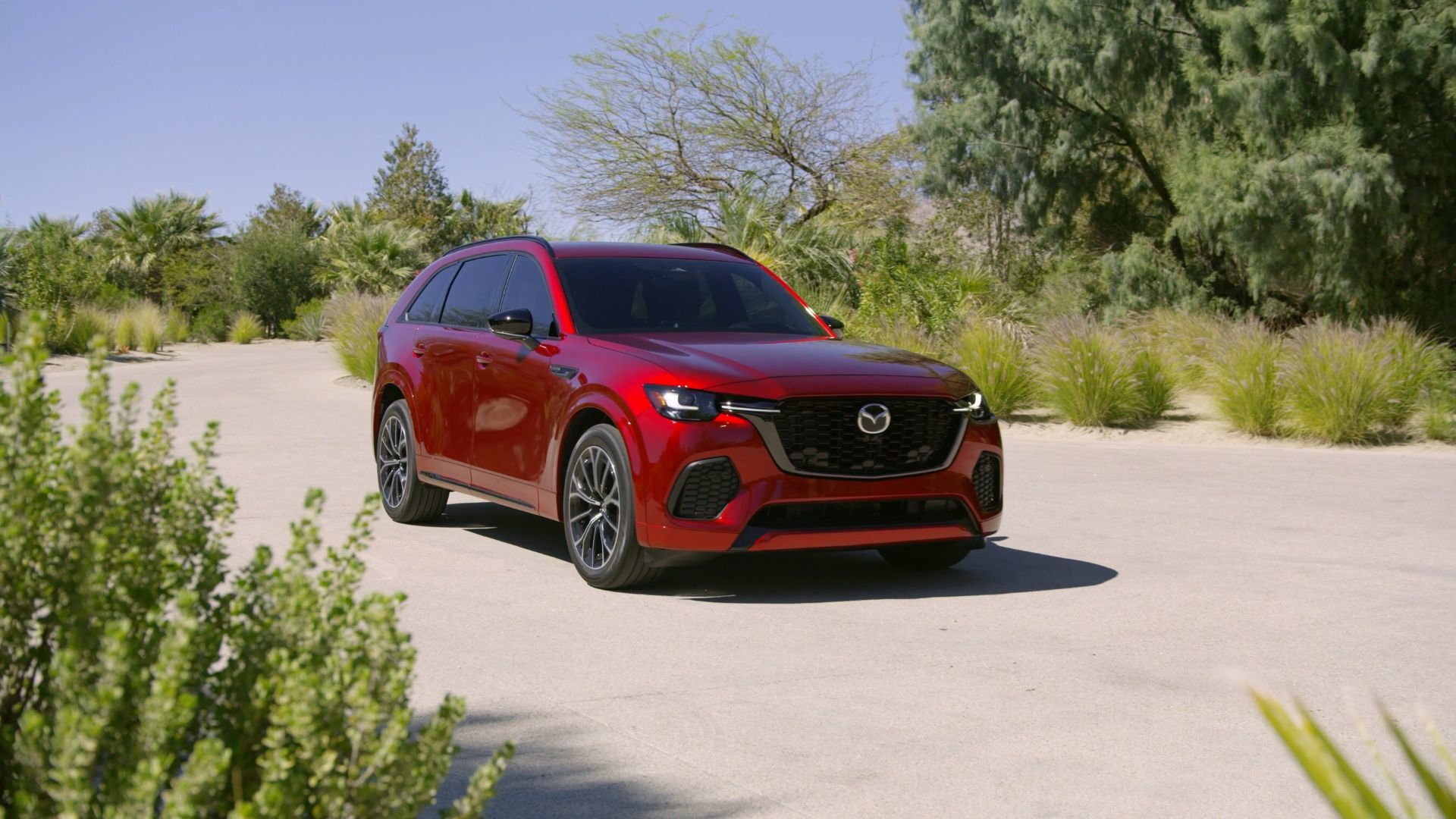
Metro Vancouver residents use vehicles differently than drivers in markets where weather and terrain vary less dramatically. The CX-70's cargo features address these specific use patterns.
Weekend Recreation
British Columbia offers year-round outdoor access within short driving distances from Burnaby. Whistler sits roughly 120 km north, the Okanagan lies a few hours east, and Vancouver Island waits across the water. Each destination demands different equipment.
Ski and snowboard gear for winter Whistler trips fits easily with the rear seats folded. The sub-trunk stores boots, goggles, and accessories separately from wet outerwear. Summer camping trips to provincial parks benefit from the organizational hooks—coolers, tents, and sleeping bags stay secured during forest service road travel.
Mountain biking equipment, kayaks (when roof-mounted), or fishing gear all load efficiently through the wide liftgate opening. The remote-folding seats mean you can reconfigure the cargo bay after arriving at a trailhead if you need to store items securely before heading out.
Daily Urban Use
Burnaby's urban environment includes frequent stops at grocery stores, shopping centres like Metrotown, and big-box retailers. The CX-70's cargo features simplify these routine tasks.
Grocery runs become more manageable with the hook system preventing bag tip-over. Larger purchases from home improvement stores or furniture retailers load easily with the seats folded remotely—no need to interrupt shopping to manually reconfigure seating.
The sub-trunk compartments keep reusable shopping bags, emergency supplies, and daily-carry items organized and accessible without cluttering the main cargo area. This separation maintains a cleaner appearance while ensuring essential items remain available.
Multi-Generational Family Transport
British Columbia's multi-generational households often coordinate transportation for various family members and activities. The CX-70's cargo flexibility accommodates these changing needs.
School supply hauls, sports equipment for youth activities, or transport for aging parents' mobility equipment all require different cargo configurations. The remote-folding seats allow quick transitions between passenger priority and cargo priority without physical effort from family members who might struggle with manual seat folding.
The sub-trunk provides discrete storage for medical supplies, mobility aids, or personal items that benefit from being available but not prominently visible. This consideration matters for maintaining dignity and privacy for all passengers.
Comparison to Traditional Cargo Systems
Traditional cargo management in crossovers requires manual seat folding, offers limited organizational features, and provides minimal hidden storage. The CX-70's engineered approach addresses each of these limitations.
Manual seat folding demands opening rear doors, leaning into the cabin, locating release mechanisms, and physically pulling seats forward. This process becomes tedious during repeated cargo operations and poses difficulty for drivers with mobility limitations or when weather makes climbing into the vehicle unpleasant.
Basic cargo areas offer flat floors but lack organizational infrastructure. Items roll freely, bags tip over, and small equipment disappears into corners. The CX-70's hooks and sub-trunk compartments provide structure that makes the space more usable in practice.
Hidden storage typically consists of minimal under-floor bins barely large enough for emergency equipment. The CX-70's sub-trunk system provides substantial concealed capacity suitable for regular use rather than just emergency storage.
Integration with Other CX-70 Features
The cargo features work alongside the CX-70's other utility-focused elements. The hands-free power liftgate (GT trim and above) opens with a foot gesture, allowing access when carrying items to the vehicle. This pairs naturally with the remote-folding seats—approach with cargo, open the liftgate hands-free, fold the seats remotely, and load efficiently.
The 12.3-inch digital gauge cluster (PHEV models) displays cargo and towing information when relevant. Trailer Hitch View (GT trim) aids in aligning the tow hitch during hookup, complementing the towing capacity the cargo area is designed to support.
Reclining and sliding second-row seats provide passenger comfort during normal driving, then fold remotely when cargo takes priority. This dual functionality means the CX-70 doesn't sacrifice passenger accommodations to achieve cargo versatility.
Powertrain Options and Cargo Space
The cargo dimensions remain consistent across CX-70 powertrain choices. Whether equipped with the 3.3 L inline-six turbocharged engine with mild-hybrid boost (280 hp standard or 340 hp high-output) or the 2.5 L plug-in hybrid system (323 hp combined), cargo volume stays at 1,131 L behind the second row and 2,147 L with seats folded.
The PHEV battery pack integrates beneath the floor without reducing usable cargo space. This engineering avoids the cargo compromises some plug-in hybrids make to accommodate battery systems. British Columbia drivers considering the PHEV for its 42 km electric range don't sacrifice hauling capability.
Towing capacity varies by powertrain: mild-hybrid models tow up to 5,000 lb when equipped with Mazda Genuine Towing Accessories, while PHEV models tow up to 3,500 lb. The sub-trunk accommodates towing equipment for either configuration.
Maintenance and Durability Considerations
The remote-folding mechanism represents additional complexity compared to manual seat releases. The system requires electrical operation and moving components that need ongoing reliability.
Mazda's engineering history with power-operated features suggests careful attention to durability. The mechanism undergoes testing for repeated cycles to ensure long-term functionality. For British Columbia's wet climate, components receive protection against moisture and corrosion.
The sub-trunk compartments use durable materials resistant to moisture and wear. Cargo area carpeting and trim withstand the dirt, water, and debris that accompany outdoor recreation and daily use. Cleaning remains straightforward with removable floor panels providing access to underlying compartments.
Regular inspection of the remote-folding system during scheduled maintenance ensures continued operation. Mazda Connected Services (included for one year) can alert owners to system issues before they affect functionality.
Experience the CX-70 at Metrotown Mazda
The 2025 CX-70's remote-folding rear seats and sub-trunk storage system represent thoughtful cargo engineering designed for British Columbia lifestyles. Visit Metrotown Mazda in Burnaby to see how these features function in practice and evaluate whether the CX-70's cargo versatility matches your daily and recreational needs.