Why the 2026 Mazda CX-30's Brake Limited Slip Differential Matters for Metro Vancouver Drivers
January 19 2026,
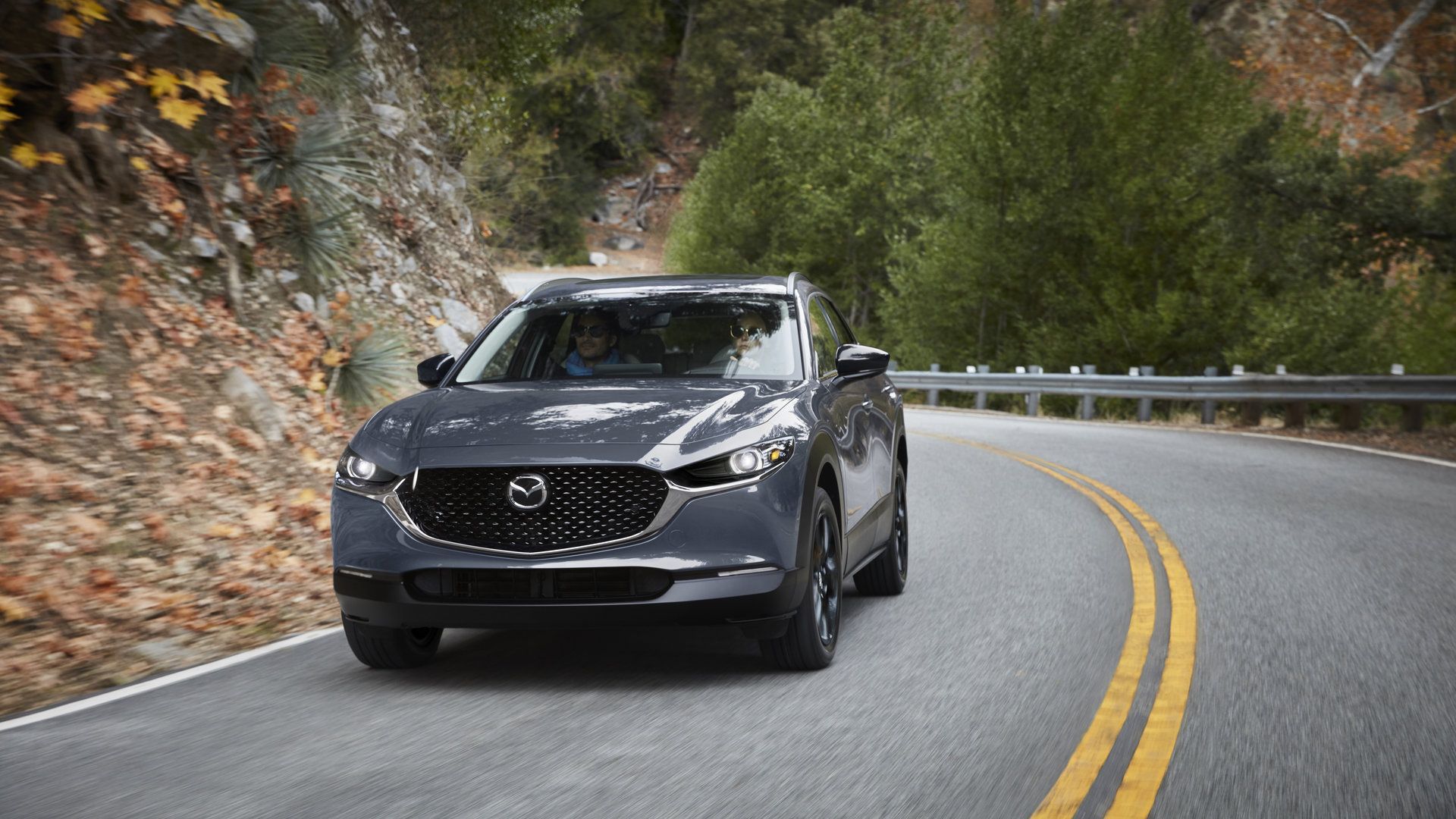
The 2026 Mazda CX-30 introduces brake Limited Slip Differential (LSD) technology as standard equipment across all trim levels, joining updated dampers and the proven i-Activ all-wheel-drive system. For Metro Vancouver drivers who transition from dry urban pavement in Burnaby to wet mountain passes or gravel Provincial Park access roads, this addition changes how the CX-30 manages traction during cornering and mixed-surface driving.
Brake LSD technology addresses a specific challenge faced by compact crossover drivers in British Columbia: maintaining controlled power delivery when road surfaces change suddenly. The 2026 CX-30 pairs this system with standard i-Activ AWD, G-Vectoring Control Plus, and Off-Road Traction Assist to create a coordinated approach to traction management that requires no driver input.
How Brake LSD Functions in the CX-30
Traditional open differentials distribute power equally to both wheels on an axle. When one wheel loses traction on a slippery surface, it spins freely while the wheel with grip receives minimal power. Brake LSD uses the vehicle's braking system to apply targeted braking force to the slipping wheel, redirecting torque to the wheel with better traction.
In the 2026 CX-30, this system operates automatically during cornering, acceleration on mixed surfaces, and situations where one wheel encounters ice, gravel, or wet pavement while the opposite wheel maintains grip. The technology works in coordination with i-Activ AWD, which monitors over 200 inputs per second to predict traction needs and adjust front-to-rear power distribution.
The addition of brake LSD for 2026 fills a gap in the CX-30's traction management toolkit. While i-Activ AWD handles longitudinal traction (front-to-rear), brake LSD manages lateral traction (side-to-side on each axle). Together, these systems address both dimensions of grip simultaneously.
Real-World Applications in British Columbia
Metro Vancouver's road conditions shift rapidly within short distances. A driver leaving Burnaby on Highway 1 encounters dry pavement, then wet sections as elevation increases, followed by gravel turnoffs at recreation sites. Brake LSD intervenes during these transitions without requiring the driver to adjust vehicle settings.
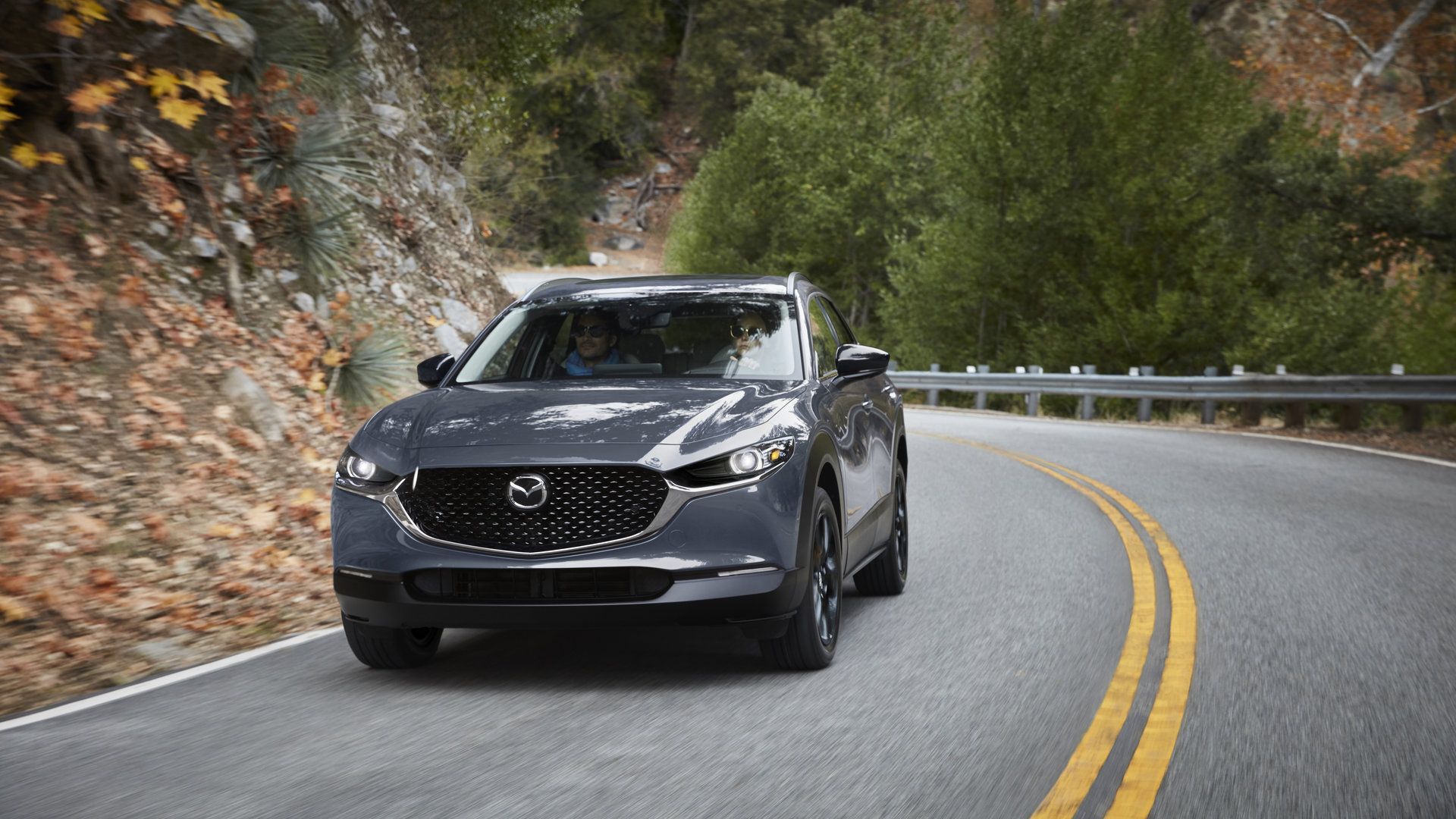
During cornering on wet roads, brake LSD prevents inside-wheel spin that can occur when weight transfers to the outside wheels. This is particularly relevant on British Columbia's curved mountain highways, where maintaining smooth power delivery through corners improves both control and passenger comfort.
For drivers accessing unpaved Provincial Park roads or gravel forest service routes, brake LSD addresses the common scenario where one wheel encounters a loose surface while the other remains on firmer ground. The system redirects power to the wheel with grip, reducing wheel spin and maintaining forward momentum.
Integration with Off-Road Traction Assist
The 2026 CX-30 includes Off-Road Traction Assist as standard equipment, working alongside brake LSD. This system applies gentle braking force to wheels that begin to spin on loose surfaces, helping the driver maintain momentum without applying excessive throttle. The two systems operate in coordination: brake LSD handles side-to-side traction management, while Off-Road Traction Assist manages wheel spin during low-speed off-pavement driving.
This integration proves useful when navigating gravel parking areas at trailheads, muddy campground access roads, or snow-covered residential streets in Burnaby during winter months. The driver maintains normal throttle inputs while the vehicle's systems manage traction automatically.
Updated Dampers and Ride Quality
For 2026, Mazda updated the CX-30's dampers to improve ride comfort over rough surfaces. These revised dampers work with brake LSD to enhance vehicle stability. When brake LSD redirects torque between wheels, the dampers control body motion, preventing the unsettled feeling that can occur when traction systems intervene aggressively.
The damper updates are calibrated for Canadian road conditions, addressing the frost heaves, potholed pavement, and rough surfaces common in British Columbia. Combined with the CX-30's torsion beam rear suspension, the updated dampers maintain the vehicle's handling characteristics while reducing harshness over broken pavement.
G-Vectoring Control Plus Enhancement
Mazda's G-Vectoring Control Plus (GVC Plus) complements brake LSD by managing engine torque during cornering. When the driver turns the steering wheel, GVC Plus makes small reductions in engine torque, shifting weight to the front wheels and improving turn-in response. As the driver exits the corner, the system restores torque smoothly.
Brake LSD benefits from this weight management. By ensuring optimal weight distribution during cornering, GVC Plus creates conditions where brake LSD can redirect power more effectively. The two systems operate in milliseconds, creating a coordinated response that feels natural rather than intrusive.
Comparing AWD Systems
|
System Component |
Function |
Benefit |
|---|---|---|
|
i-Activ AWD |
Predicts and adjusts front-to-rear power distribution |
Maintains traction before slip occurs |
|
Brake LSD |
Redirects power between left and right wheels |
Improves cornering and mixed-surface traction |
|
Off-Road Traction Assist |
Controls wheel spin on loose surfaces |
Enhances low-speed off-road capability |
|
G-Vectoring Control Plus |
Manages weight transfer during cornering |
Improves handling precision and stability |
Winter Driving Considerations

British Columbia winters present varied challenges for Metro Vancouver drivers. Coastal areas experience rain and occasional snow, while mountain passes require winter tire capability. Brake LSD assists during winter driving by managing power delivery when one wheel encounters ice while the other grips pavement.
This is particularly relevant on bridges and overpasses along Highway 1, which ice before surrounding road surfaces. When the CX-30's rear wheels encounter different traction levels—one on ice, one on wet pavement—brake LSD redirects power to maintain stability without the dramatic intervention that can unsettle drivers.
The system operates transparently during winter commutes. Drivers maintain normal throttle and steering inputs while brake LSD manages traction in the background, working with winter tires to maximize available grip.
Powertrain and Efficiency
The 2026 CX-30 continues with the Skyactiv-G 2.5 L four-cylinder engine producing 186 horsepower and 186 lb-ft of torque on regular 87-octane fuel. This engine pairs with a six-speed automatic transmission featuring manual-shift mode and a Drive Selection switch for Sport mode.
Brake LSD does not impact fuel economy directly, as it uses the existing braking system rather than adding mechanical components that create constant drag. The system activates only when traction management is needed, allowing the CX-30 to maintain its efficiency ratings during normal driving.
Technology and Convenience Features
The 2026 CX-30 GX includes an 8.8-inch Mazda Connect display with Apple CarPlay and Android Auto integration, an eight-speaker audio system, heated front seats, and automatic climate control. The comprehensive i-Activsense safety suite comes standard, including Mazda Radar Cruise Control with Stop and Go, Smart Brake Support, Blind Spot Monitoring, and Lane Keep Assist.
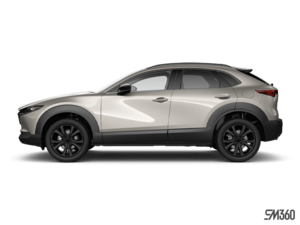
Upper trims add a 10.25-inch touchscreen with wireless phone connectivity, wireless charging, dual-zone climate control, and leather-wrapped steering wheel. The new GS Kuro Edition introduces distinctive styling with black exterior accents, white leatherette seats with grey cloth inserts, and Cruise and Traffic Support for enhanced highway driving assistance.
Accessibility and Value
With brake LSD standard across all CX-30 trim levels, drivers benefit from this traction technology regardless of which model they choose. This approach contrasts with some competitors who reserve advanced traction systems for higher trim levels or optional packages.
The CX-30's standard equipment list—including i-Activ AWD, brake LSD, Off-Road Traction Assist, and comprehensive safety features—positions it as a well-equipped compact crossover suitable for British Columbia's diverse driving conditions.
Maintenance and Reliability
Brake LSD requires no additional maintenance beyond the CX-30's standard brake service intervals. The system uses existing brake components and electronic controls, adding capability without introducing new maintenance requirements. Brake pads and rotors follow the same service schedule as CX-30 models without this technology.
Mazda's warranty covers the brake LSD system under the comprehensive vehicle warranty, providing the same protection as other vehicle systems.
Learn More at Metrotown Mazda
The 2026 Mazda CX-30's brake LSD technology represents a functional addition that improves traction management across British Columbia's varied terrain. For drivers in Burnaby navigating transitions between urban streets, highway driving, and occasional gravel roads, this system provides measurable benefits in vehicle control and confidence.
Visit our team at Metrotown Mazda in Burnaby to experience how brake LSD, i-Activ AWD, and updated dampers work together in the 2026 CX-30. Our product specialists can demonstrate these systems and help you understand how they apply to your specific driving patterns in Metro Vancouver.