Why the CX-70's Two-Row Layout Fits Burnaby Empty-Nesters Better Than a Three-Row SUV
August 21 2026,
Not every household needs eight seats anymore. Once the kids are grown and the car pool schedule is a memory, a lot of Burnaby drivers find themselves shopping for a three-row SUV out of habit, then realizing the third row hasn't been used in months. The seats fold flat, get used for extra grocery bags, and otherwise just take up space that could be doing something more useful.
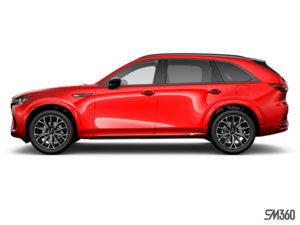
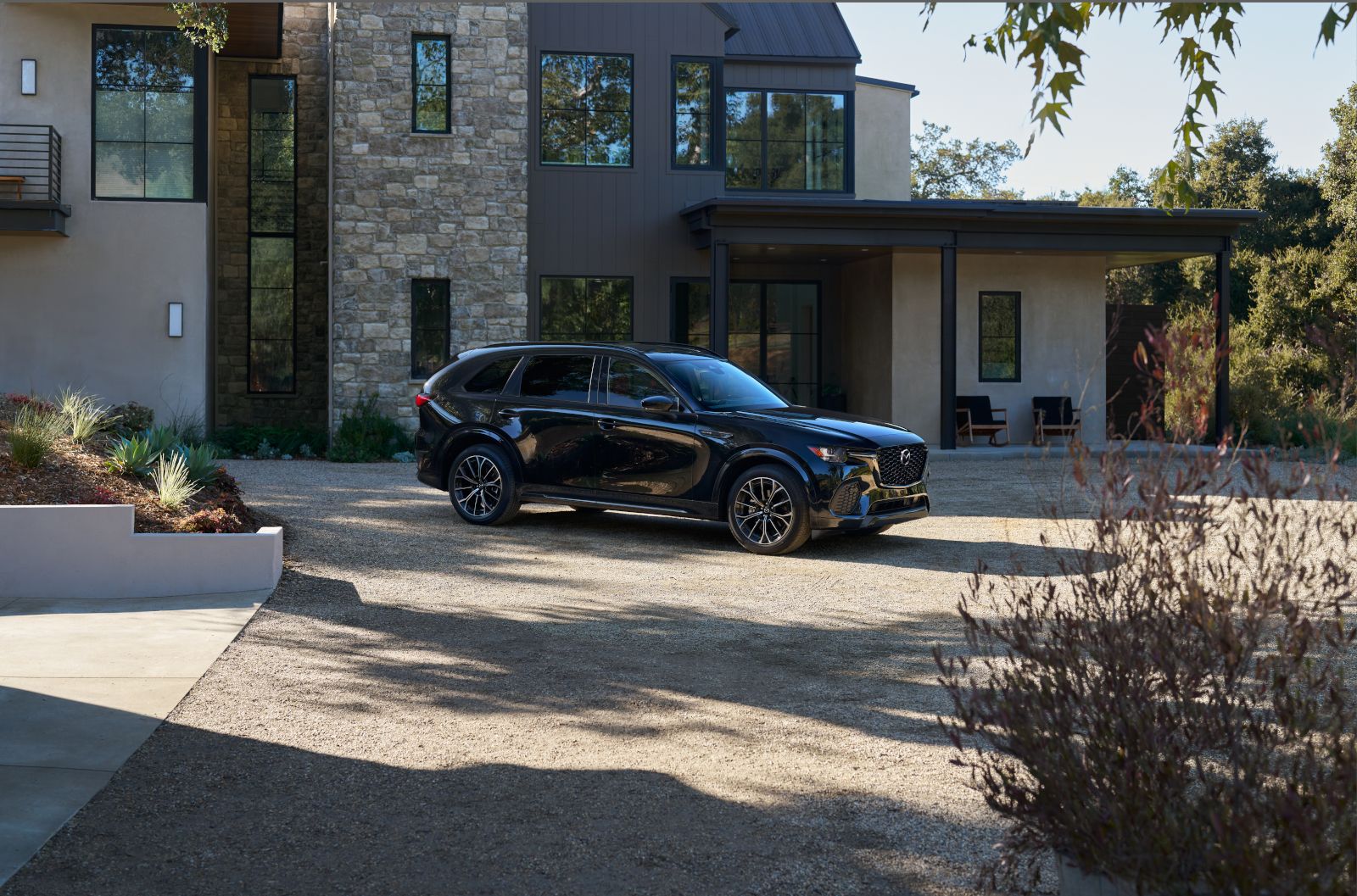
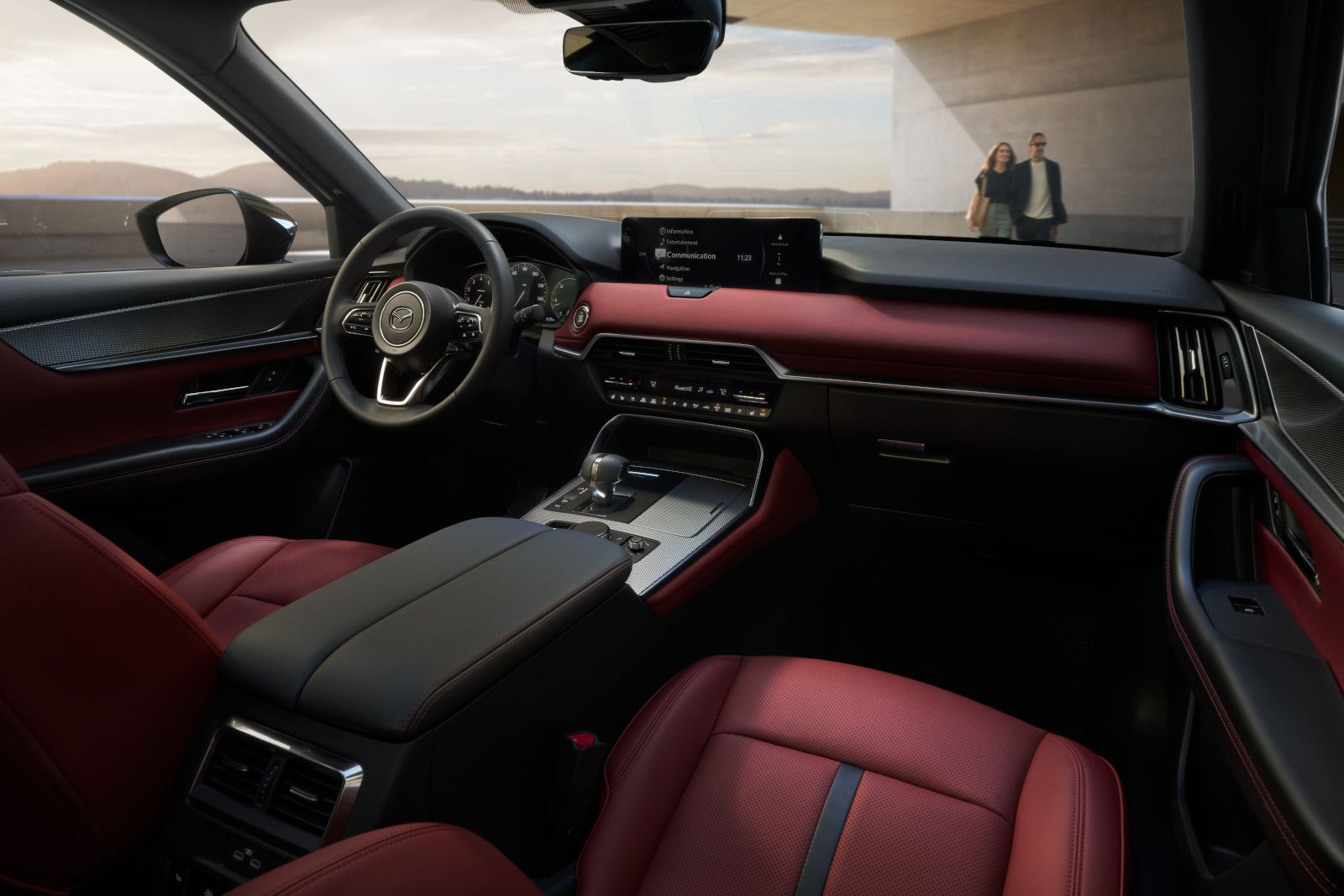
The Mazda CX-70 was built for exactly that shift in life. It shares its underlying platform and wheelbase with the three-row CX-90, but instead of squeezing in a third row, Mazda reworked the cabin into a more spacious two-row layout. For a Burnaby buyer downsizing from a three-row SUV, that difference changes more than the seat count. It changes how the whole vehicle is laid out, from second-row comfort to how the cargo area is organized.
More Cabin Space Without a Third Row
Because the CX-70 uses the same 3,120 mm wheelbase as the CX-90 but drops the third row entirely, the space that would normally go to rearmost seating is redirected to the front two rows and the cargo area instead. Second-row passengers get more usable space, and the cabin doesn't have to compromise on comfort to accommodate seats that would rarely fold down anyway.
- Two-row, five-seat configuration built on the CX-90's full-size platform
- Second-row space designed without a third row competing for room
- Standard heated front seats and a heated steering wheel across CX-70 trims
The CX-70's second-row seats also recline and slide, which is a small detail that matters more once the people riding back there are adults on a longer drive rather than kids buckled into car seats. Combined with a 60/40-split folding rear seatback, the layout adapts easily between carrying passengers and carrying cargo, without the compromises a third row tends to introduce.
Cargo Room Built for a Different Stage of Life
Downsizing from a three-row SUV doesn't mean giving up cargo capacity. The CX-70 offers up to 1,131 litres of cargo volume behind the second row, depending on roof configuration, along with a dedicated sub-trunk area for stowing valuables or smaller items out of sight. Remote-folding rear seats make loading easier for anyone who's tired of climbing into the back of a vehicle just to fold a seat down.
That kind of cargo space suits the errands and getaways that come with this stage of life just as well as it suited a busier household: golf clubs, luggage for a Vancouver Island ferry trip, or gear for a weekend away.
It also holds up well in day-to-day Burnaby driving, where a smaller footprint than a full three-row SUV can make a real difference around Metrotown Centre parkades and tighter residential streets, without giving up the cargo room a downsizing household still needs.
Everyday Technology and Comfort Features
Downsizing doesn't mean giving up conveniences either. The CX-70 comes with a 10.25-inch Mazda Connect touchscreen, wired Apple CarPlay and Android CarPlay integration, and a Mazda Harmonic Acoustics eight-speaker audio system as standard equipment. Select trims add Alexa integration, letting the driver adjust temperature or switch radio stations with a voice command instead of taking a hand off the wheel. A three-zone automatic climate control system keeps front and rear passengers comfortable independently, which matters as much on a short Burnaby errand as it does on a longer trip.
The cargo area carries its own set of thoughtful touches. Beyond the 1,131 litres of space behind the second row, the CX-70 includes a dedicated sub-trunk area for stowing valuables out of sight, along with hooks and additional compartments for smaller items that would otherwise roll around loose. It's the kind of organization that shows up more in daily use than on a spec sheet.
Standard AWD and Everyday Comfort
Every CX-70 comes with standard i-Activ AWD and Kinematic Posture Control, the same underlying technology found across Mazda's Large Product Group lineup. Two engine choices are available: a standard 3.3 L turbocharged inline six-cylinder engine producing 280 hp and 332 lb-ft of torque, or a high-output version of the same engine producing 340 hp and 369 lb-ft of torque. Both are paired with an 8-speed automatic transmission, and both support a maximum towing capacity of 5,000 lb, useful for anyone planning to tow a small trailer or boat without needing a three-row SUV's extra bulk to do it.
Mi-Drive lets the driver switch between Normal, Sport, and Off-Road modes depending on conditions, whether that's a wet November commute through Burnaby or a weekend drive somewhere with less predictable pavement. None of that flexibility depends on stepping up to a three-row model to get it.
Key Takeaways
|
CX-70 Feature |
What It Means for Burnaby Empty-Nesters |
|---|---|
|
Two-row, five-seat layout |
More second-row and cargo space than a comparable three-row SUV |
|
Up to 1,131 L cargo volume |
Room for luggage, gear, or a full grocery run without a third row in the way |
|
280–340 hp turbocharged inline six-cylinder engine |
Two output levels depending on how much power you want day to day |
|
Standard i-Activ AWD |
Consistent traction on wet Lower Mainland roads without an upgrade package |
|
5,000-lb towing capacity |
Enough to tow a small trailer or boat without stepping up to a three-row SUV |
Learn More at Metrotown Mazda
If your household has changed but your SUV hasn't caught up, the CX-70's two-row layout is worth a look before you default to another three-row model. It carries the space, the cargo capacity, and the everyday features many empty-nesters still want, without the seats and dimensions that come with a vehicle built for a larger family. Stop by or visit our team right here in Burnaby to learn more about which CX-70 trim and engine combination fits how you actually drive today.