5 Differences Between the 2026 Mazda CX-70 MHEV and PHEV That Affect Your Daily Commute in Burnaby
May 07 2026,
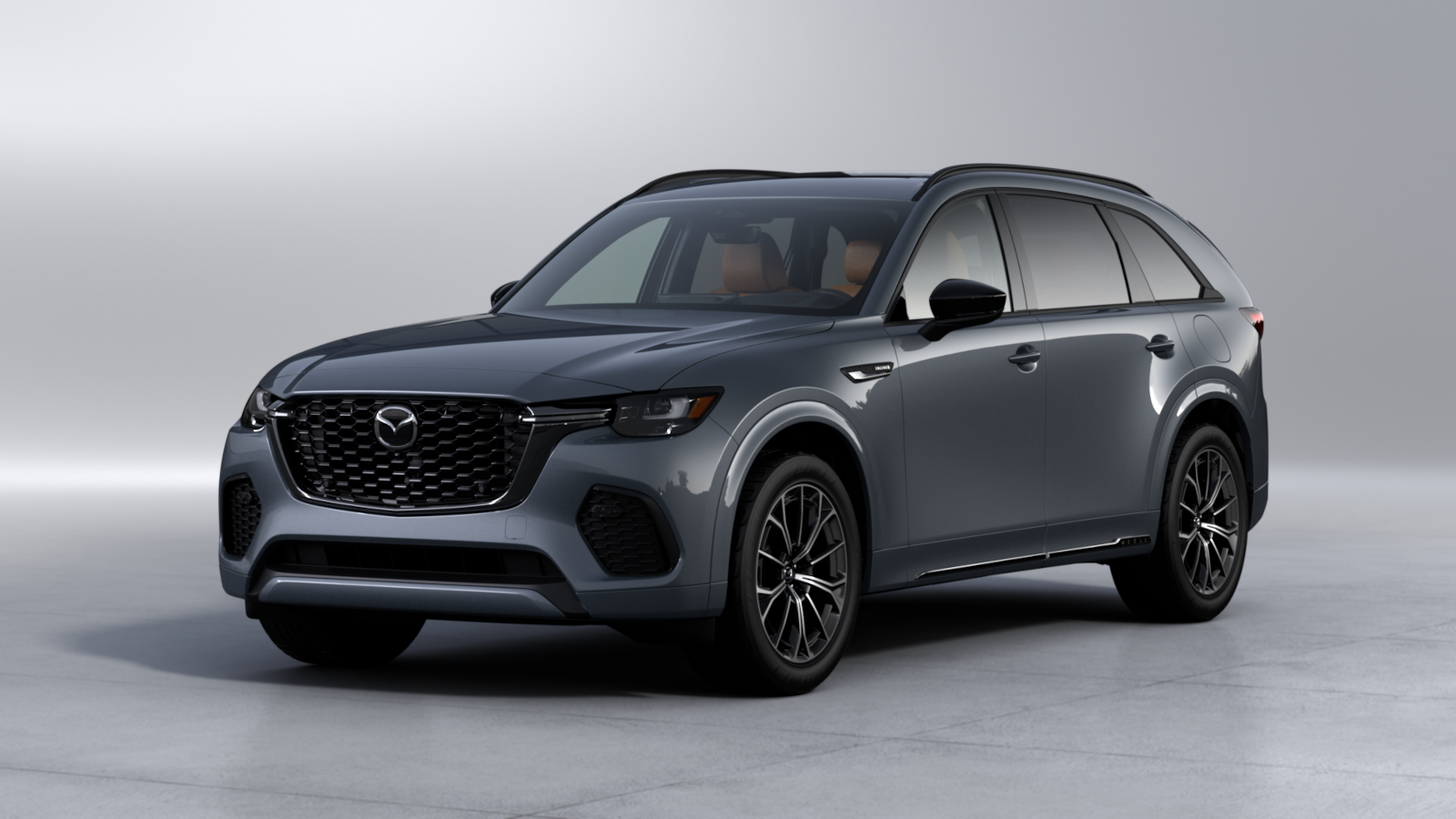
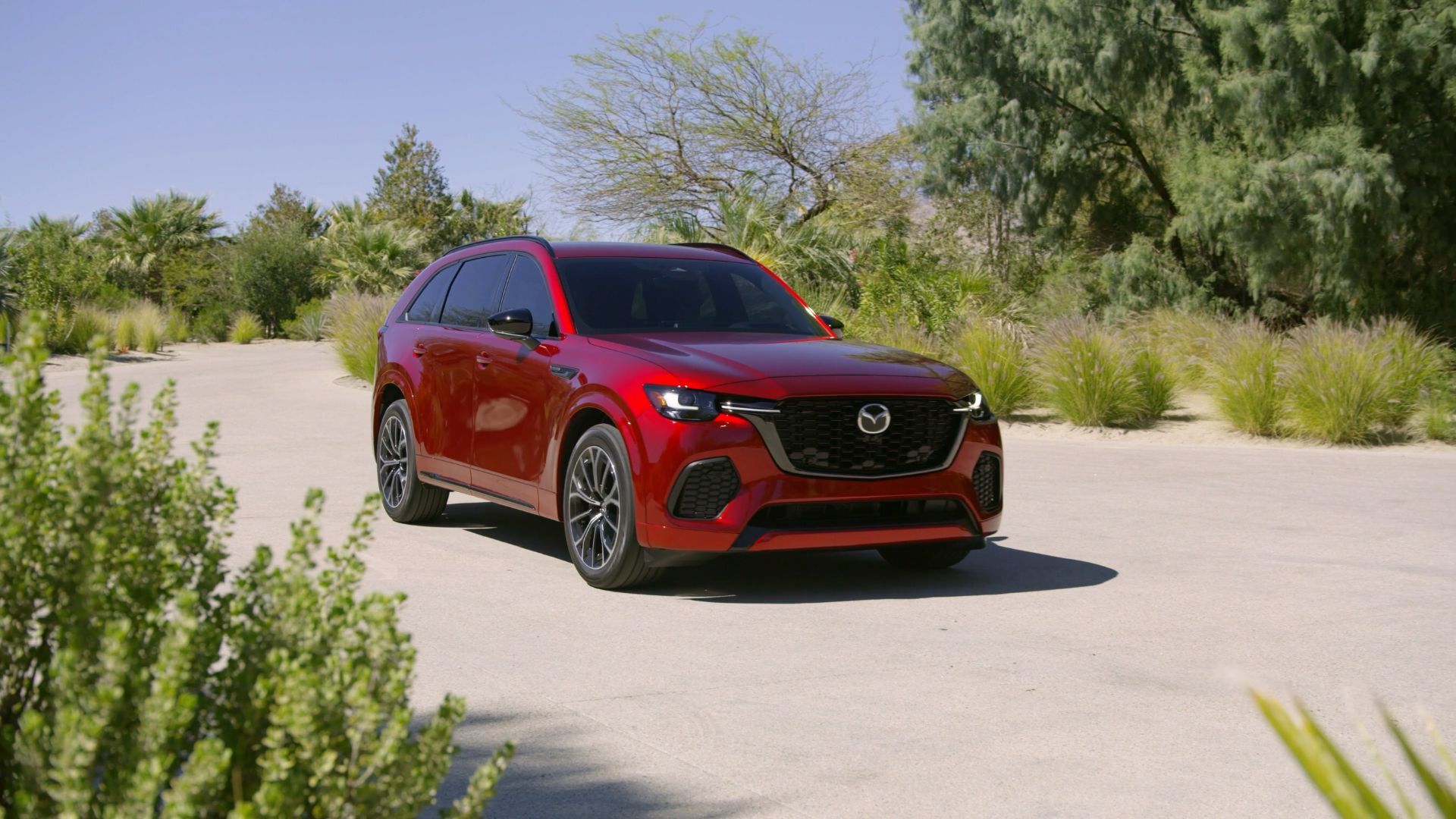
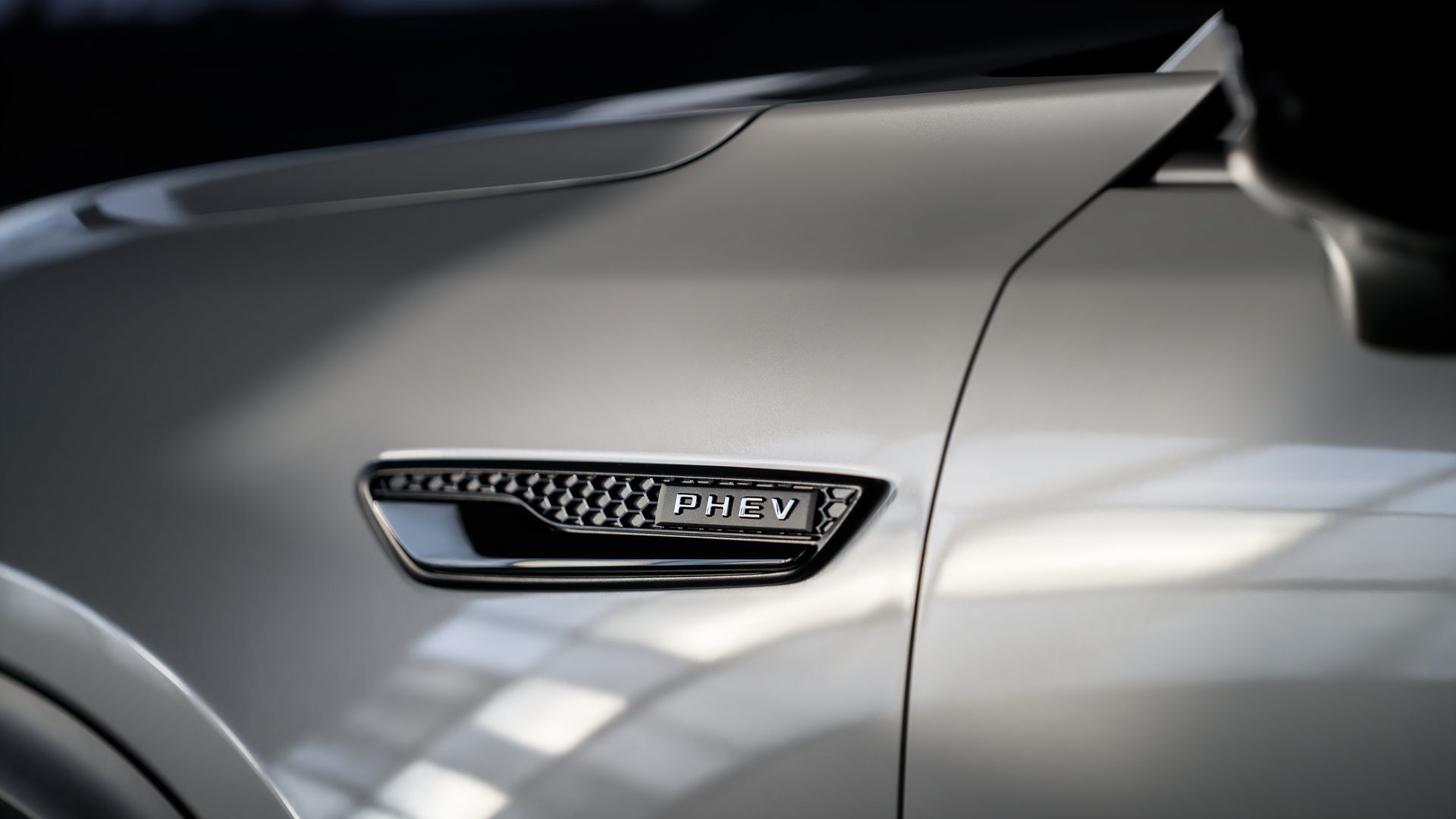
The 2026 Mazda CX-70 is available with two distinct powertrain families, and they are designed for different driving priorities. The MHEV uses a 3.3 L turbocharged inline-six engine with a 48-volt mild hybrid system. The PHEV pairs a 2.5 L four-cylinder engine with an electric motor and a 17.8 kWh lithium-ion battery pack. Both come with i-Activ all-wheel drive, an eight-speed automatic transmission, and the same two-row cabin layout.
On paper, the choice looks straightforward — gas engine versus plug-in hybrid. In practice, the differences between these two powertrains show up in specific ways during daily driving in and around Burnaby. How often you stop for fuel, how the vehicle responds in slow traffic, what drive modes are available, and what you can tow on weekends all change depending on which CX-70 you choose. Here are five differences that matter most for commuters in British Columbia.
At a Glance: CX-70 MHEV vs. PHEV Key Specifications
|
Specification |
CX-70 MHEV (GS-L/GT) |
CX-70 MHEV (GT-P/Signature) |
CX-70 PHEV |
|---|---|---|---|
|
Engine |
3.3 L Inline-6 Turbo |
3.3 L Inline-6 Turbo (High Output) |
2.5 L Inline-4 + Electric Motor |
|
Horsepower |
280 hp (regular fuel) |
340 hp / 319 hp (premium / regular) |
323 hp / 319 hp (premium / regular) |
|
Torque |
332 lb-ft |
369 lb-ft |
369 lb-ft |
|
Electrification |
48V Mild Hybrid Boost |
48V Mild Hybrid Boost |
Plug-In Hybrid (17.8 kWh battery) |
|
Electric-Only Range |
N/A |
N/A |
Up to 42 km |
|
Combined Fuel Economy |
9.8 L/100km (GS-L) |
9.5 L/100km |
9.4 L/100km (gas only) / 4.2 Le/100km (combined) |
|
Max Towing Capacity |
3,500 lb |
5,000 lb |
3,500 lb |
|
Mi-Drive Modes |
Normal, Sport, Off-Road, Towing |
Normal, Sport, Off-Road, Towing |
Normal, Sport, Off-Road, EV |
- Electric-Only Driving in Urban Traffic
The most immediate difference you will notice on a Burnaby commute is that the PHEV can drive on electricity alone. With a fully charged battery, the CX-70 PHEV offers up to 42 km of electric-only range in EV mode. For a driver whose daily commute is under 40 km round trip — say, from Metrotown to downtown Vancouver and back — this means the gasoline engine may not need to start on most weekday drives.
The MHEV cannot do this. Its 48-volt mild hybrid system assists the engine during acceleration and captures energy during braking, but it does not power the vehicle independently. The inline-six engine runs at all times during driving. The mild hybrid's role is to smooth out power delivery and modestly improve fuel efficiency rather than replace gasoline with electricity.
For Burnaby commuters spending time in stop-and-go traffic on the Trans-Canada Highway or Kingsway, the PHEV's ability to run on electric power in low-speed conditions creates a quieter, smoother driving experience during those stretches.
- Fuel Economy and Energy Costs

The CX-70 PHEV returns a combined energy consumption rating of 4.2 Le/100km when using both electricity and gasoline. Operating on gasoline alone, it achieves 9.4 L/100km combined. The standard MHEV (GS-L/GT trims) returns approximately 9.8 L/100km combined on regular fuel.
The gap narrows considerably when the PHEV's battery is depleted. Once the 42 km electric range is used up, the PHEV operates as a conventional hybrid at 9.4 L/100km — only marginally more efficient than the MHEV. Where the PHEV pulls ahead is on shorter daily commutes where the battery handles most or all of the driving distance, keeping the gasoline engine off.
For drivers in British Columbia who have access to Level 2 home charging (240 V), the PHEV battery charges from 20% to 80% in approximately 1.3 hours. Level 1 charging (120 V household outlet) takes approximately 6.4 hours for the same range. BC's relatively low electricity rates make the per-kilometre cost of electric driving noticeably lower than gasoline for local commuting.
- Available Drive Modes
Both powertrains include Mazda Intelligent Drive Select (Mi-Drive), but the available modes differ. The MHEV offers Normal, Sport, Off-Road, and Towing modes. The PHEV replaces Towing mode with EV mode, which prioritizes electric-only driving by keeping the gasoline engine off for as long as battery charge allows.
This means the PHEV gives you direct control over when to use electric power. On a Sunday drive through Burnaby's residential neighbourhoods or a quick trip to the grocery store, you can select EV mode and keep the combustion engine silent. In Sport mode, both the electric motor and gasoline engine work together for maximum acceleration.
The MHEV's Towing mode, on the other hand, adjusts throttle response and transmission logic for trailering. This mode is absent from the PHEV's Mi-Drive menu.
- Towing Capacity
Towing is where the MHEV gains a clear advantage — but only in its higher-output trims. The CX-70 MHEV GT-P and Signature, equipped with the high-output 340 hp inline-six, can tow up to 5,000 lb when fitted with Mazda Genuine Towing Accessories. The standard-output MHEV (GS-L and GT) is rated for up to 3,500 lb.
The CX-70 PHEV is rated for up to 3,500 lb across all trims. For BC drivers who tow a boat to Pitt Lake, haul a camper trailer to the Okanagan, or pull a utility trailer on weekends, the difference between 3,500 lb and 5,000 lb can determine which powertrain fits.
If towing is a regular part of your routine, the MHEV GT-P or Signature is the stronger choice. If your towing needs are occasional and stay under 3,500 lb, both powertrains handle the job.
- Engine Character and Driving Feel
The CX-70 MHEV uses a longitudinal inline-six layout — a configuration traditionally associated with rear-wheel-drive luxury vehicles. The 3.3 L turbo inline-six delivers its power smoothly and linearly, with 280 hp and 332 lb-ft of torque on regular fuel in the GS-L and GT, or 340 hp and 369 lb-ft on premium fuel in the GT-P and Signature. The mild hybrid system fills in low-rpm torque gaps, making the engine feel responsive from a standstill.
The PHEV's driving character is different. The 2.5 L four-cylinder engine works alongside a 173 hp electric motor producing 199 lb-ft of torque. The combined system output reaches 323 hp and 369 lb-ft on premium fuel. In practice, the electric motor provides immediate torque at low speeds, and the gasoline engine adds power as speeds climb. The transition between electric and gasoline power is managed by the system automatically.
Neither powertrain is better in absolute terms. The MHEV rewards drivers who value a traditional, linear engine response from a large-displacement turbo six. The PHEV suits drivers who prefer the instant low-speed response of an electric motor and the option of silent electric-only driving.
How to Choose Between Them at Metrotown Mazda
The decision between the CX-70 MHEV and PHEV depends on how you use the vehicle most days. If your commute is short, you have access to home charging, and you value quiet, electric driving in city traffic, the PHEV is built for your routine. If you tow regularly, drive longer highway distances where the battery would deplete early, or prefer the character of a turbo inline-six, the MHEV fits better.
Both powertrains share the same spacious two-row cabin, the same Kodo design exterior, and the same i-Activ AWD system. The difference is under the hood and in the daily experience of driving. Visit Metrotown Mazda in Burnaby to drive both and see which one matches the way you commute.