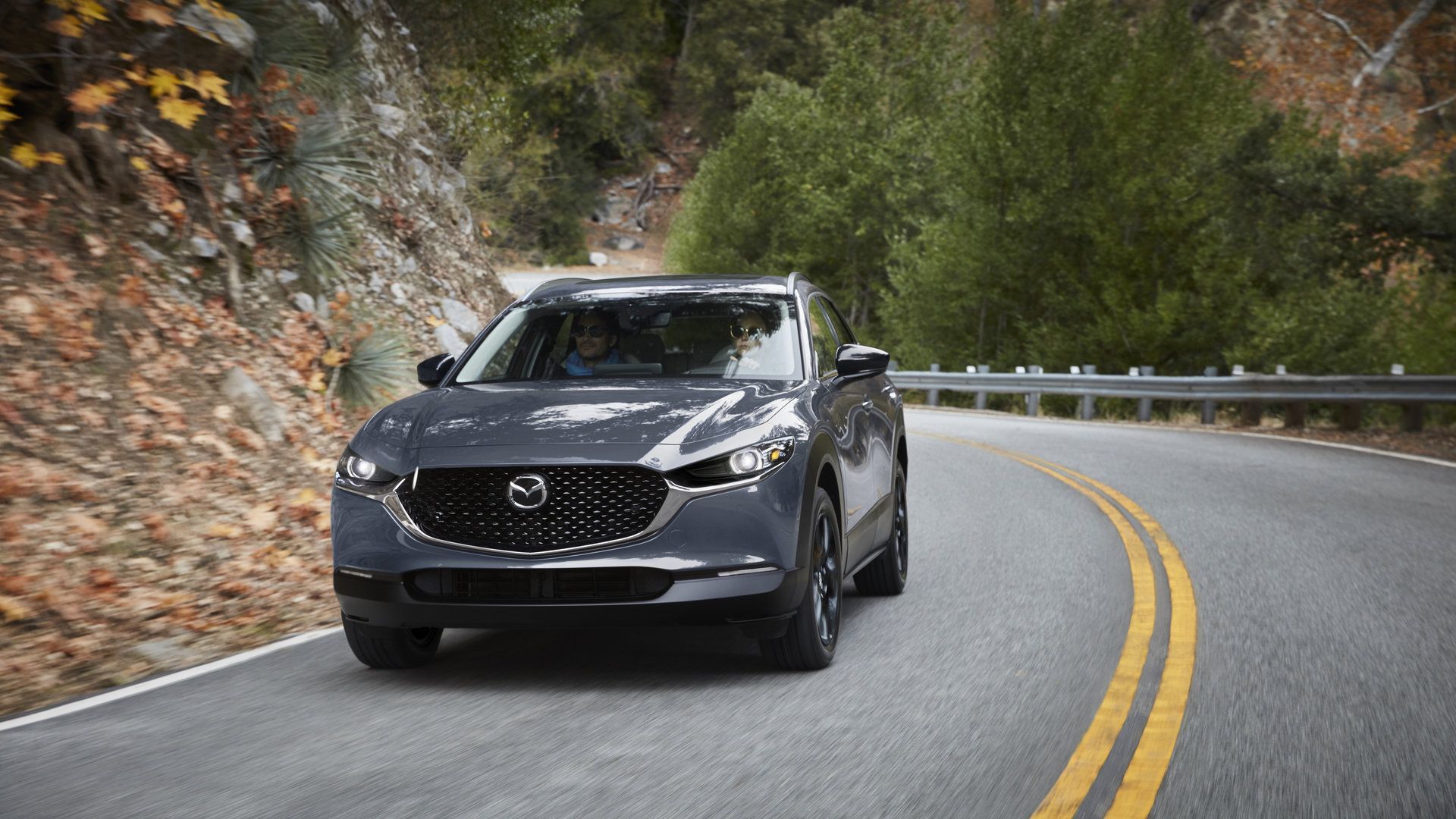
Mazda Looks Straight to the Top with Two New Straight-Six Engines
October 18 2022,
This day in age, if you were to tell someone that you knew of a car company that was keeping EV and PHEV power in its sights but also developing not one but two all-new internal combustion engines (ICEs), you would probably be met with a raise eyebrow or two. These days all we seem to hear about from manufacturers revolves around the new EV platform they’re developing – but not Mazda.
Mazda has been sticking steadfastly by its SKYACTIV range of gas engine for a long time now, doing their best to refine every aspect of them so that even though they are gas-powered, efficiency remains job #1. Gas engines are still the most popular engines in North America today, so why should Mazda be ignoring those values customers? Put simply, they aren’t. What they are doing, is continuing to develop an EV platform that should be a mainstay in the line-up by 2035, but also new gas engines that are looking pretty darn spiffy.
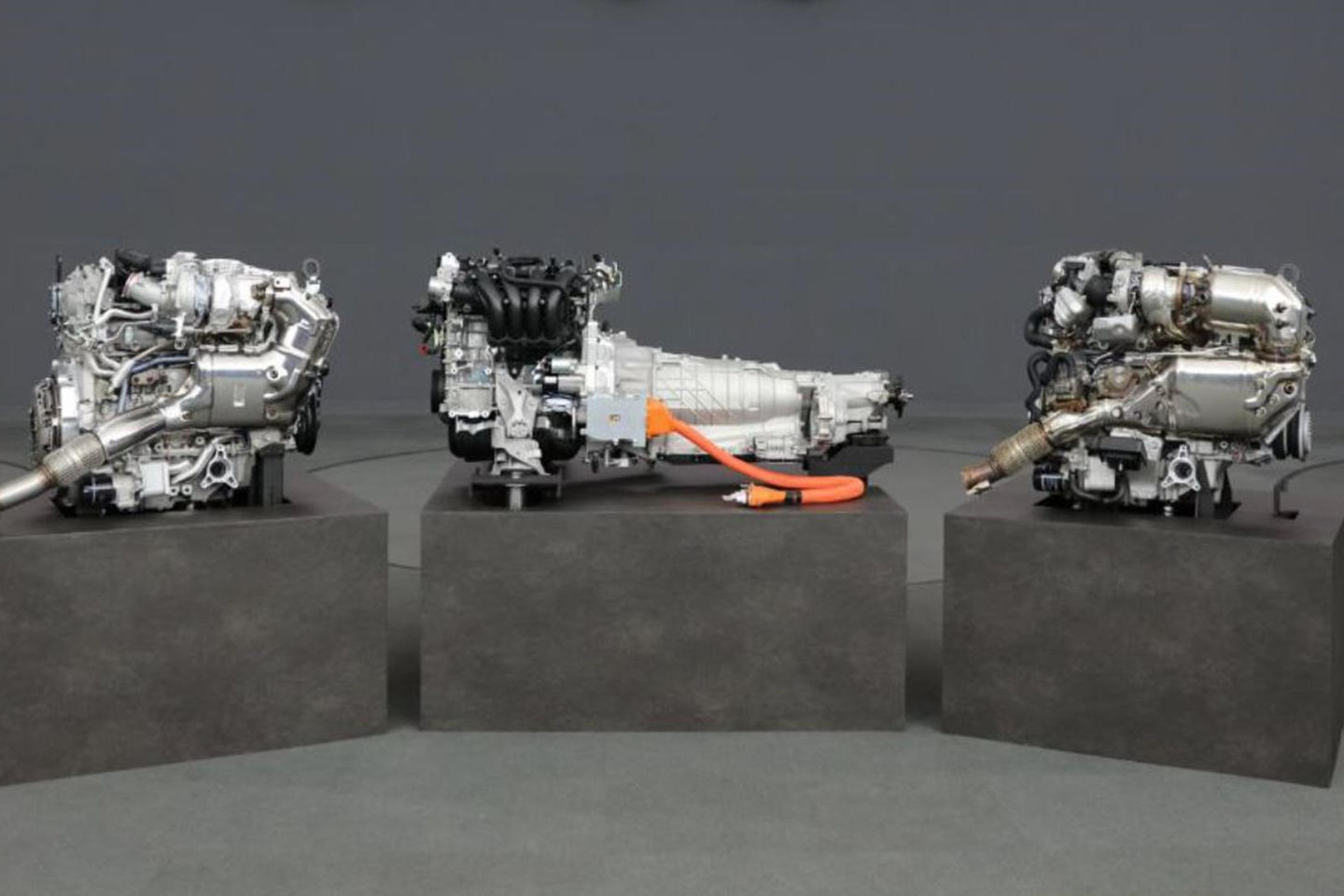
The first is a 3.0-litre inline six-cylinder gas engine that, thanks to its being naturally-aspirated and helped along by a 48V mild hybrid system, is able to make strong, smooth power without the need for turbocharging which, in turn, means the engine should run to its full capacity using regular fuel.
Each cylinder makes 500 CC, which Mazda claims that is the best cylinder size to ensure the most bang for your buck due to the well-balanced physics and thermodynamics it allows for. This means it will be just as economic as a four-cylinder, as well as compact enough to mesh seamlessly with a new 8-speed transmission without hurting aerodynamics by sitting too high in the engine bay.
Joining the 3.0-litre six is another more traditional engine type, and this one’s perhaps the wild card of the two: a 3.3-litre “Skyactiv-D” diesel engine, also with 48V mild hybrid assistance. It’s an evolution of the smaller 2.2L unit last seen in the CX-5 crossover, and makes used of something called “egg-shaped combustion chambers”. According to Mazda, what that shaping does is allow the air-fuel mixture to divide into two different areas within the piston bowl. That means better combustion – always key when it comes to operating smoothy and efficiently – that leaves less unburned fuel residue sticking around.
If you are one of the many drivers that still sees life in the ICE world, look no farther than Mazda to see a like-minded company.