Why Mazda Earned More IIHS Top Safety Pick+ Awards Than Any Other Brand for 2025
April 14 2026,
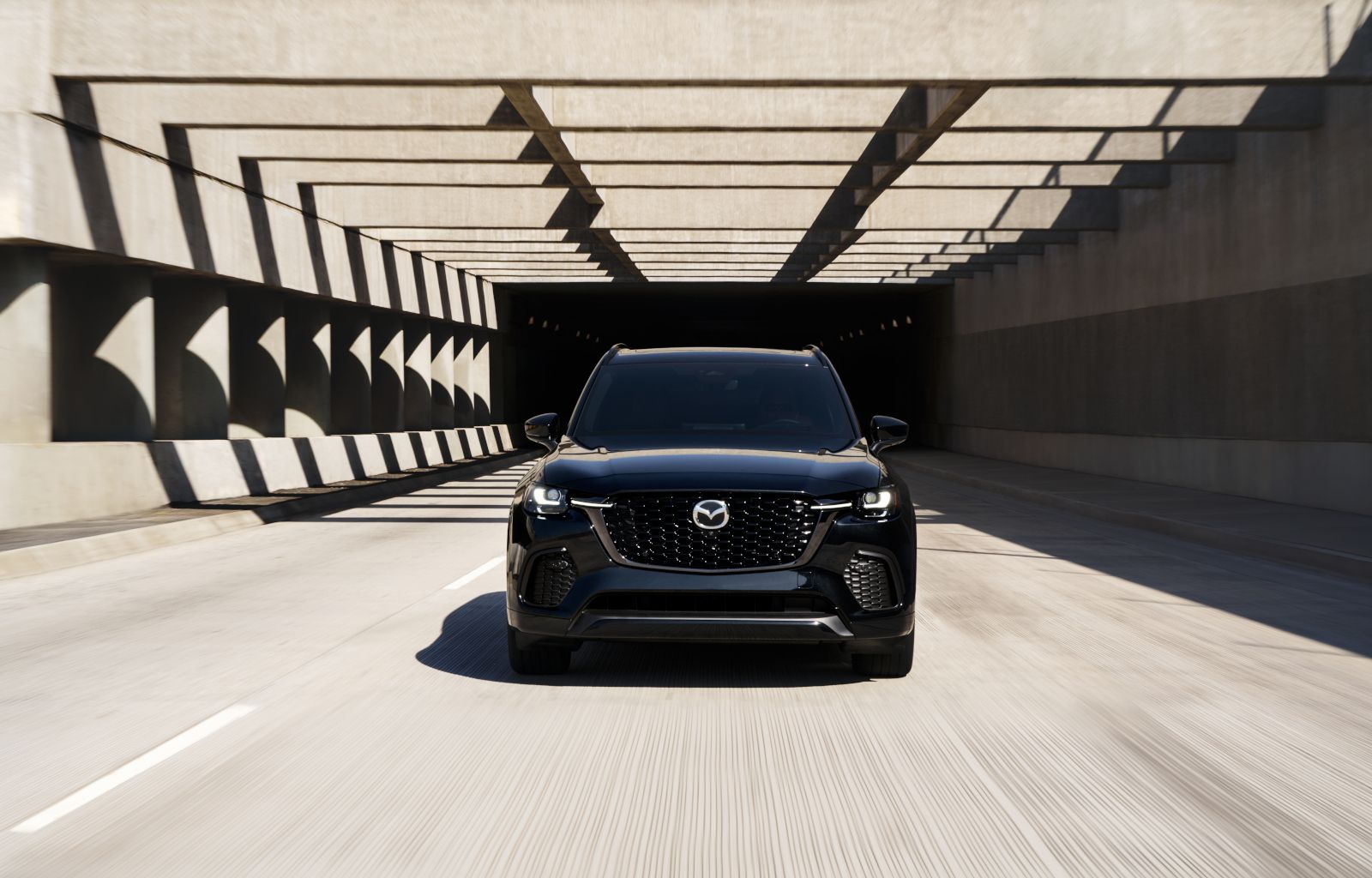
Safety ratings carry weight when you are choosing a new vehicle. They are one of the few areas where an independent organization — one with no financial ties to any automaker — tests every model under the same conditions and publishes the results for everyone to read. In March 2025, the Insurance Institute for Highway Safety (IIHS) announced its latest round of TOP SAFETY PICK and TOP SAFETY PICK+ winners, and Mazda earned eight TOP SAFETY PICK+ awards. That is more of the highest possible safety designation than any other brand in the industry. For drivers in Burnaby and across British Columbia, where rain, variable road conditions, and heavy commuter traffic are daily realities, understanding what goes into those awards — and why one brand swept them — is worth a closer look.
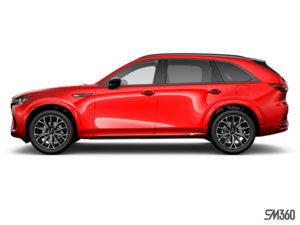
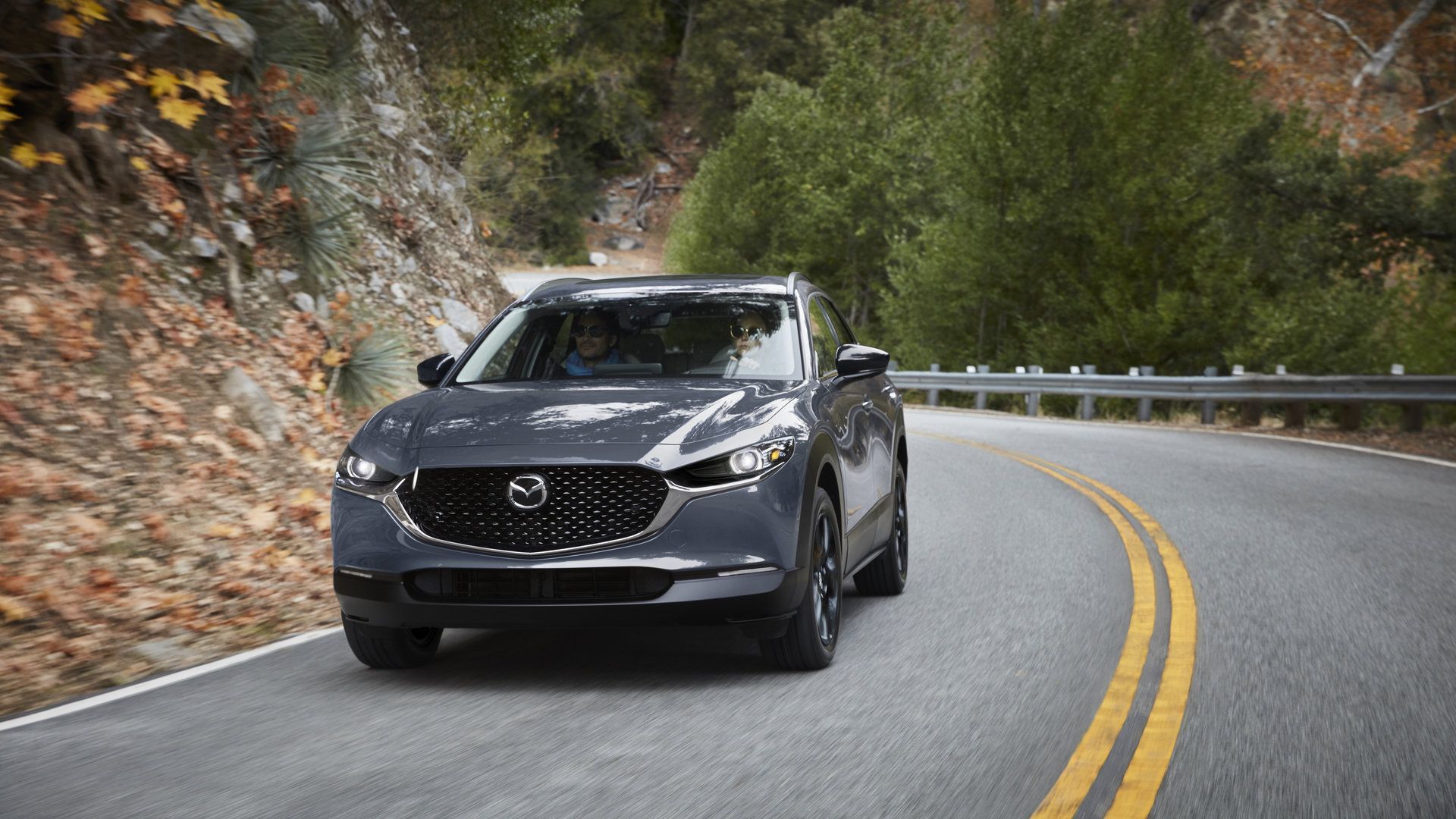
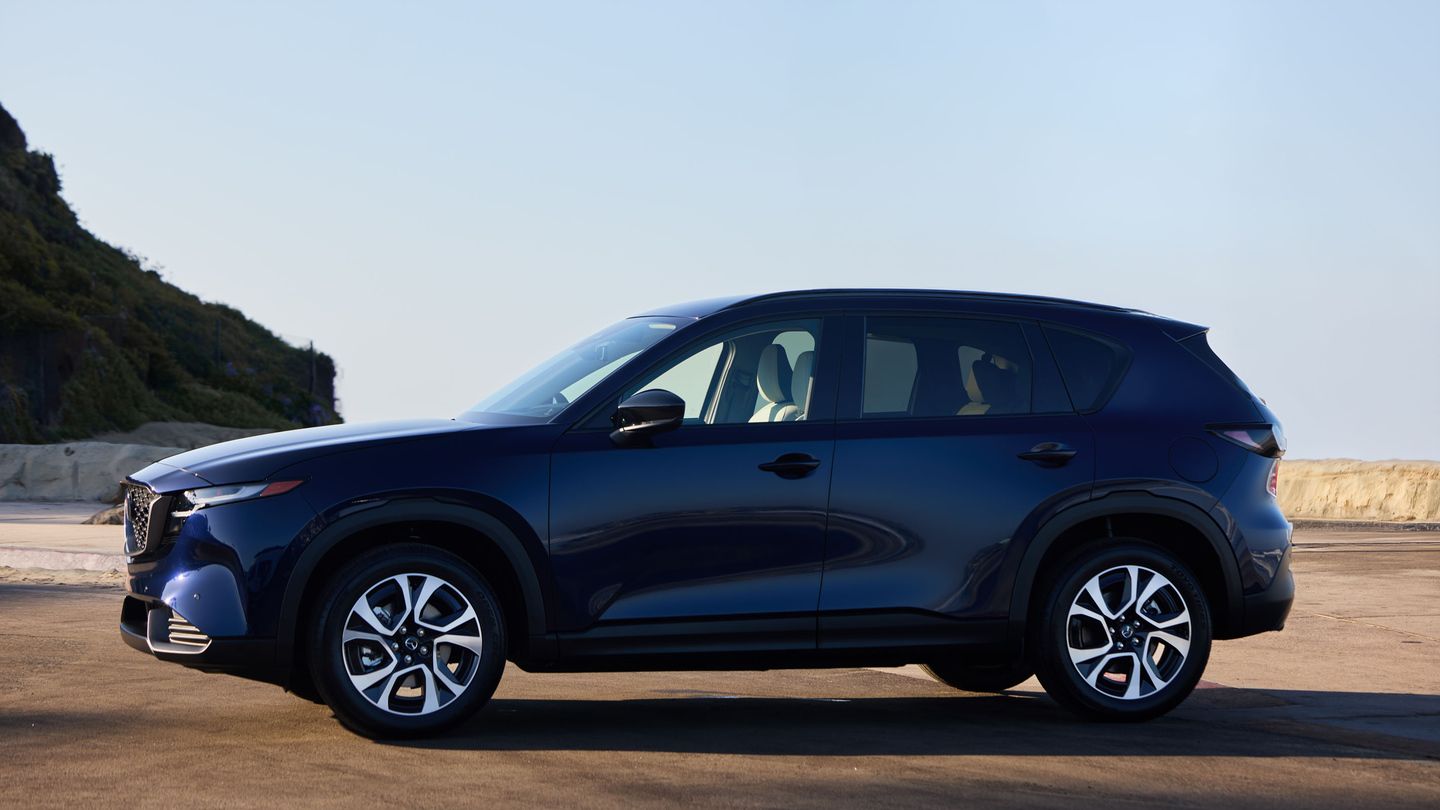
The eight Mazda models that earned TOP SAFETY PICK+ for the 2025 model year are the Mazda3, Mazda3 Sport, CX-30, CX-50 (including the CX-50 Hybrid), CX-70, CX-70 PHEV, CX-90, and CX-90 PHEV. That list spans compact cars, subcompact crossovers, compact SUVs, mid-size two-row SUVs, and three-row family haulers. Every vehicle category that Mazda sells in Canada earned the top award. IIHS President David Harkey acknowledged this directly: "Kudos to Mazda for meeting this challenge with eight TOP SAFETY PICK+ winners, the most of any brand."
What It Takes to Earn IIHS TOP SAFETY PICK+
The IIHS is an independent, non-governmental safety-testing organization funded by the insurance industry. It operates separately from government agencies and uses its own test protocols to evaluate crashworthiness, crash avoidance, and headlight performance. The TOP SAFETY PICK+ designation is the highest award the institute grants, and the requirements have become more demanding with each passing year. IIHS has stated that the 2025 awards program is the toughest it has ever administered.
To earn the "+" distinction, a vehicle must achieve top ratings across several categories. These include front crash tests (both moderate overlap and small overlap), side crash tests, pedestrian front crash prevention assessments, and the requirement that standard headlights earn an acceptable or good rating. Starting with the 2025 awards cycle, IIHS also added a new crash test focused specifically on rear seat occupant protection — a test that evaluates how well the vehicle's structure, restraints, and airbags protect passengers sitting behind the driver.
Every Mazda model tested earned a top Good rating in this new rear seat protection evaluation, a result that IIHS noted as a key factor in Mazda's sweep.
How Mazda's Engineering Addresses Each Safety Category
Earning a top rating in one test is an accomplishment. Earning it across every test, across eight different vehicles built on different platforms, points to a design philosophy that treats safety as a standard rather than an optional upgrade.
Mazda accomplished this through specific engineering decisions. On the structural side, every tested Mazda model now includes rear seat belt pretensioners and load limiters as standard equipment. Pretensioners tighten the seat belt in the instant a collision is detected, removing slack before the occupant moves forward. Load limiters then allow the belt to give slightly in a controlled way, reducing the force applied to the chest. Combined with advanced airbag systems — also standard across the lineup — these features protect rear seat passengers in frontal and side impacts.
On the crash avoidance side, Mazda's approach extends beyond protecting vehicle occupants. The i-Activsense suite of driver assistance technologies is standard on every model in the lineup. These systems include Mazda Radar Cruise Control with Stop and Go, Smart Brake Support Front, Blind Spot Monitoring, Rear Cross Traffic Alert, Lane Keep Assist, Lane Departure Warning, High Beam Control, Driver Attention Alert, and Pedestrian Detection. Mazda has specifically tuned its crash avoidance systems to detect pedestrians in a variety of lighting conditions — a detail that matters in Burnaby, where shorter winter days and rainy conditions reduce visibility for months at a time.
- Rear seat belt pretensioners and load limiters are standard on every Mazda model, not reserved for higher trims
- Pedestrian Detection is calibrated to function across different lighting environments, including low-light and wet conditions
- i-Activsense safety technologies are included as standard equipment from the base trim of every vehicle in the lineup
What the Eight Awarded Models Cover

One aspect of Mazda's IIHS results that stands out is the breadth of the lineup that earned the top award. This is not a case of a single popular model carrying the brand's reputation. The full list covers vehicles that serve very different purposes.
|
Model |
Body Style |
Primary Use Case |
|---|---|---|
|
Mazda3 |
Compact sedan |
Daily commuting and urban driving |
|
Mazda3 Sport |
Compact hatchback |
Versatile city and weekend use |
|
CX-30 |
Subcompact crossover |
Urban drivers who want AWD and a higher seating position |
|
CX-50 / CX-50 Hybrid |
Compact SUV |
Active lifestyles, light off-road, fuel-efficient hybrid option |
|
CX-70 / CX-70 PHEV |
Mid-size two-row SUV |
Towing, cargo, and plug-in hybrid capability |
|
CX-90 / CX-90 PHEV |
Three-row SUV |
Families needing up to eight seats with plug-in hybrid option |
For British Columbia buyers, this means that from a compact hatchback for navigating Burnaby's side streets to a three-row SUV for a family of six, the safety engineering behind each vehicle has been held to the same standard — and tested to the same result.
Why Standard Equipment Matters More Than Available Packages
A detail that often gets overlooked in safety discussions is the difference between standard and available features. Some manufacturers earn high safety ratings with configurations that include optional packages — meaning the base-model version of the vehicle that most buyers actually purchase may not have the same equipment that was tested.
Mazda takes a different approach. The rear seat belt pretensioners, load limiters, advanced airbags, and the full i-Activsense suite of driver assistance features are standard across all models and trims. MCI President and CEO David Klan put it this way: "As IIHS keeps raising the bar for safety, we too continually challenge ourselves to stay ahead of the curve, and the results here speak for themselves."
This means that a Mazda3 GX — the entry point of the entire Mazda lineup — includes the same core structural safety features and crash avoidance technologies that the flagship CX-90 Signature carries. The trim level changes the interior materials, the audio system, and the wheel size. It does not change the safety foundation.
Key Takeaways
|
Detail |
What It Means |
|---|---|
|
8 TOP SAFETY PICK+ awards |
More than any other brand for the 2025 award year |
|
Toughest criteria yet |
IIHS strengthened requirements, including a new rear seat occupant protection test |
|
Good rating in rear seat protection |
Every tested Mazda model earned the highest score in this new evaluation |
|
Standard safety equipment |
Rear seat belt pretensioners, load limiters, and advanced airbags are not optional extras |
|
Full i-Activsense suite as standard |
Pedestrian Detection, Blind Spot Monitoring, Radar Cruise Control, and more — on every trim |
|
Pedestrian detection in varied lighting |
Crash avoidance systems are tuned for low-light and wet-weather conditions |
Learn More at Metrotown Mazda
If safety is a priority in your next vehicle decision — and for families and commuters in Burnaby, it often is — the 2025 IIHS results give you a clear, third-party benchmark to work with. Visit the team at Metrotown Mazda right here in Burnaby to learn more about how these safety features work across the Mazda lineup and to experience them in person.